Published
- 6 min read
Biausevu Waterfall Tour from Nadi - Village Chieftain Welcome, Kava Ceremony & Lagoon Swim
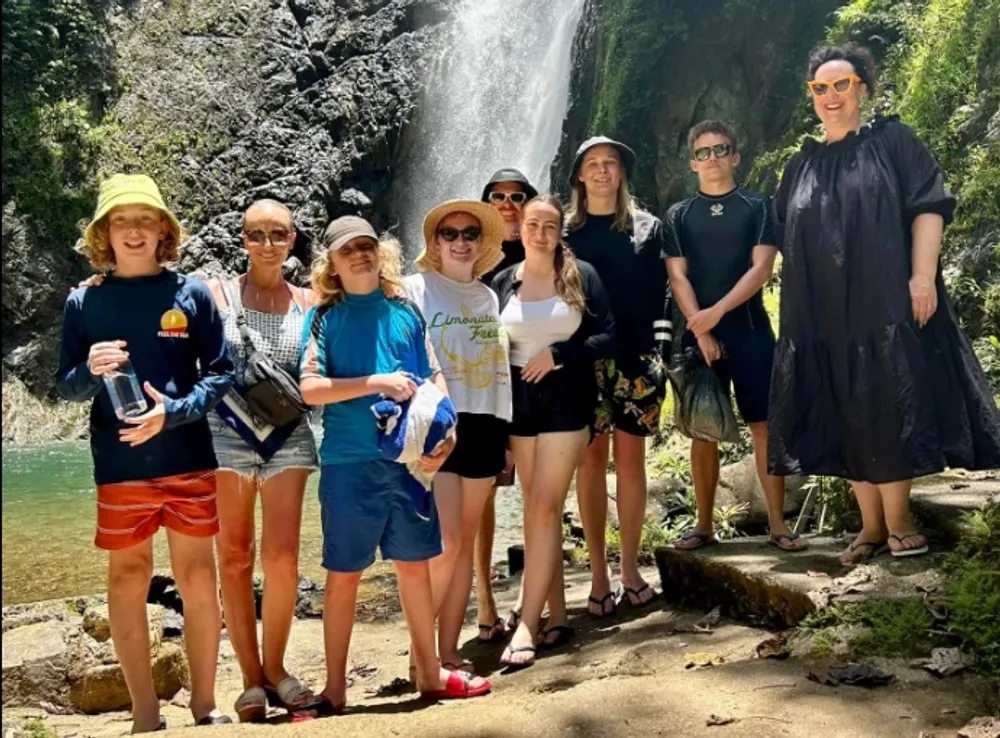
Biausevu waterfall carries a traditional name — Sava Nu Mate Laya — that translates roughly as “the waterfall that never dries.” It earns it. Fed by the highlands above the Coral Coast and sheltered by dense rainforest, the cascade drops into a cool lagoon surrounded by giant tree ferns and wild ginger that bloom regardless of the season.
Getting there is the other half of the experience. This tour follows the southern coastline from Nadi, turns inland toward Biausevu village, and begins with a formal welcome from the village chieftain before the hike — the kind of cultural introduction that makes the waterfall feel like a destination earned rather than just ticked off.
At a glance
- Duration: 5–6 hours
- Departs from: Nadi
- Route: Coral Coast highway, then inland to Biausevu village
- Highlights: Biausevu village chieftain welcome · traditional kava ceremony · rainforest trek · Sava Nu Mate Laya waterfall · lagoon swim
- Price from: $102 USD
- Cancellation: free cancellation available
The drive out
From Nadi, the tour heads south along the Queens Road — Fiji’s Coral Coast highway. The road runs the western and southern edge of Viti Levu: first through cane fields and roadside villages, then along a coastline where the reef is visible at low tide and the ocean is a vivid blue-green. When the road turns inland, the landscape changes quickly: the vegetation thickens, the air cools slightly, and the foothills begin.
The village of Biausevu sits in this inland country, off the main road, accessible only through local knowledge.
The village welcome
Arriving at Biausevu is not simply pulling up and starting the hike. The village operates on traditional Fijian protocol — you are guests on their land, and the relationship begins with a formal welcome.
The chieftain of Biausevu village receives visitors personally. The sevusevu ceremony — presenting yaqona (kava root) as the customary offering and receiving acceptance into the community — is conducted properly here, not as a tourist-facing summary. The chieftain leads; the guide translates and explains.
This formality is worth understanding before you arrive: it’s what distinguishes this visit from simply paying admission and walking through. The community earns income from tourism, but the relationship is structured on Fijian terms — and that distinction is the difference between a cultural experience and a scenic walk.
Kava ceremony
After the formal welcome, the kava ceremony begins. The yaqona root is pounded into fine powder in the carved wooden tanoa bowl, mixed with water, and strained. The resulting liquid — earthy, slightly bitter, producing a gentle numbness on the lips and tongue — is served in bilo (coconut shell cups).
The protocol is straightforward: clap once before receiving your bilo, drink it in one go, clap three times after, say vinaka (thank you). Your guide demonstrates before the ceremony begins.
The kava shared in a village like Biausevu is part of an unbroken tradition that has governed Fijian social and ceremonial life for centuries. First-timers consistently say it’s more interesting than they expected, partly because of the setting and partly because the context makes the drink feel meaningful rather than odd.
The trek to Sava Nu Mate Laya
After the village ceremony, the hike begins. The trail to the waterfall runs through rainforest that the community has managed and protected for generations — the same forest that feeds the falls and keeps them running year-round. Giant ferns and wild ginger line the path; the canopy closes overhead; the temperature drops another degree or two.
The walk is roughly 20–30 minutes depending on pace and trail conditions. The terrain includes tree roots, rocks, and sections that become slippery after rain. It’s not a demanding hike, but it’s a forest trail rather than a paved path — good footwear matters.
When the waterfall comes into view, it announces itself with sound before sight.
The waterfall and lagoon
Sava Nu Mate Laya is a single cascade, high and clear, dropping into a natural pool deep enough to swim in. The water is cold — genuinely cold by Fiji standards — and the pool is enclosed by vegetation on three sides. Tree ferns overhang the edges; wild ginger flowers at the margins.
This is the reward for the kava ceremony, the village protocol, and the trek. Most guests spend longer here than planned — swimming, sitting beside the water, absorbing the fact that they are at a Fijian waterfall known by a traditional name, in a forest managed by the people who welcomed them by name of their chieftain.
An optional cliff jump is sometimes possible at the waterfall — assess conditions with the guide before attempting.
Practical notes
Footwear: shoes with grip that you’re comfortable getting wet — reef shoes or old trainers. The trail and the lagoon entry both benefit from this.
Swimwear: wear it under your clothes from the start. You don’t want to miss the lagoon because you dressed inconveniently.
Kava: if you prefer not to drink, observing the ceremony without participating is entirely appropriate. The village understands.
Rain: the trail gets slipperier in wet conditions. The waterfall gets more dramatic. Both things are true simultaneously.
Village etiquette: covered shoulders and knees during the village section. A light wrap or spare shirt thrown over swimwear is sufficient.
What to bring
- Grip shoes you can get wet
- Swimwear under clothes
- Towel
- Sunscreen and insect repellent
- Small dry bag for phone and valuables
- Water bottle
FAQs
How does this differ from other Biausevu waterfall tours?
The formal chieftain welcome distinguishes this tour from more casual offerings. The village of Biausevu is sovereign over the land the waterfall sits on; the chieftain’s welcome is the community’s way of opening that land to visitors on traditional terms. It adds cultural weight to what would otherwise be a pleasant hike.
Is the trail suitable for children?
Yes for older children comfortable on uneven ground. The 20–30 minute hike has some rooted and rocky sections. Young children (under 5) will need to be carried on some sections. Confirm with the operator if you have specific age or mobility concerns.
Can I do this tour from the Coral Coast?
The tour is listed as departing from Nadi but follows the Coral Coast road — pickup from Coral Coast hotels may be possible. Confirm pickup points with the operator at booking.
Departs Nadi. Duration 5–6 hours. Free cancellation available. Price from $102 USD. Village dress code applies — covered shoulders and knees during the village section.
Ready to book this tour?
Purchase On ViatorBy: Sarika Nand