Published
- 7 min read
7-Night Remote Lau & Kadavu Discovery Cruise from Denarau (Captain Cook)
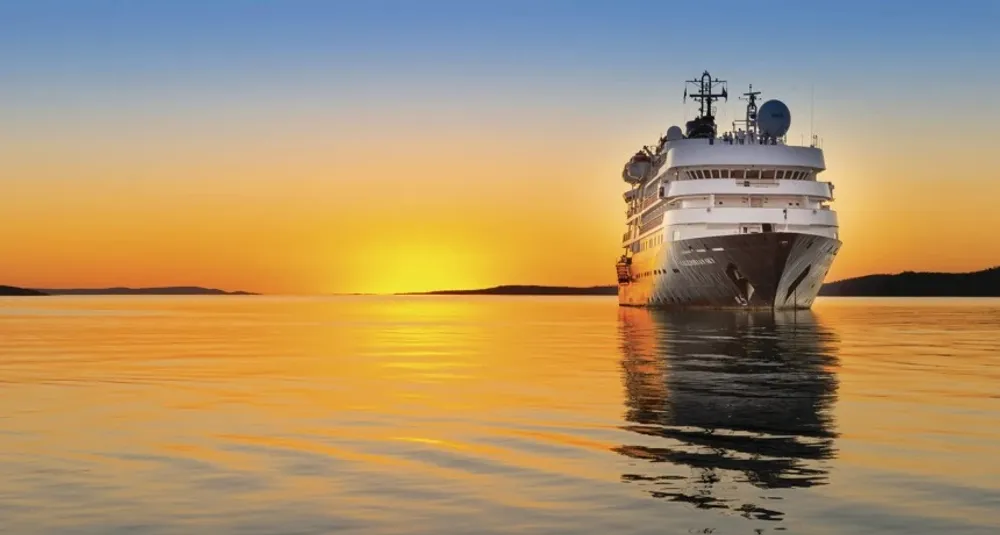
The Lau Islands sit at the eastern edge of Fiji’s archipelago, closer to Tonga than to the resort corridor around Nadi. They’re not on the standard Fiji itinerary. They don’t have tourist infrastructure in any conventional sense. Getting there independently requires a combination of inter-island flights, supply boats, and significant advance planning. For most visitors, they simply remain unseen.
This 7-night remote cruise (8 days) is the exception: a small-ship voyage that takes you into the Lau group and Kadavu without the logistical complexity, using the ship as your moving base across a week of reefs, coral atolls, Fijian and Tongan-influenced villages, and stretches of open blue water that almost no tourist ever sees.
This is not a beach resort experience. It’s genuinely remote, genuinely varied, and genuinely different from anything else available in the Pacific.
At a glance
- Length: 7 nights / 8 days
- Departs from: Port Denarau Marina (Denarau Island)
- Vessel: Small ship cruise (confirm current vessel with operator—Captain Cook Cruises Fiji has been operating both MV Reef Endeavour and MS Caledonian Sky for different itineraries)
- Group size: up to ~130 (MV Reef Endeavour) or ~114 (MS Caledonian Sky)
- Best for: travellers who want genuinely remote islands, cultural depth, and reefs that most people never reach
Why the Lau Islands are special
The Lau group spans a vast area of ocean southeast of Viti Levu—remote even by Fijian standards. The islands here bear strong Tongan cultural influence from centuries of intermarriage and trade, which makes them ethnographically distinct from the western Fiji most visitors experience. Village life in the Lau group often feels entirely unchanged; this isn’t a performance for tourists, it’s just how life runs when commercial development hasn’t arrived yet.
The reefs are extraordinary. Some of the healthiest coral in Fiji grows in the Lau group’s protected lagoons, partly because so few boats come this way. Visibility regularly exceeds 20 metres. Fish density in some areas can feel almost tropical-aquarium-vivid.
The standout stops on this itinerary
Fulaga (Vulaga) is the most photogenic and talked-about stop on the route. A raised coral atoll with dramatic limestone cliffs, “mushroom” islets rising from the lagoon like eroded toadstools, and a sheltered interior lagoon with extraordinary clarity. The caves at Fulaga are a highlight—guided, with appropriate briefing on access and safety before you go in.
Makogai is historically moving. The island was a leper colony from 1911 until 1952—one of the most significant in the Pacific, receiving patients from across Melanesia and Polynesia. The stone ruins of the hospital, church, and community buildings remain largely intact, slowly being reclaimed by jungle. The island is now home to a government marine station. Visits often include a guided historical walk and occasionally the chance to attend a local church service.
Kadavu is sometimes called Fiji’s “undiscovered gem”—part of the Great Astrolabe Reef system, one of the world’s four largest barrier reefs, running along Kadavu’s southern coast. The diving and snorkelling here are world-class. Village visits on Kadavu tend to feel genuine and unhurried.
Totoya (Lau group) offers cultural immersion that’s arranged in partnership with the local community—traditional stories, introductions, and on select departures, a traditional feast.
Sample 7-night itinerary
Exact day-by-day order varies by departure date, conditions, and community schedules, but a typical Lau sailing includes stops such as:
Day 1: Depart Port Denarau. First stop at Tivua Island (Captain Cook Cruises’ private islet) for an easy introductory snorkel day and reef briefing from the marine biologist.
Day 2: Makogai — guided historical walk, snorkelling around the anchorage, and (if timing permits) a church service with the small island community.
Day 3: Qilaqila / Lau group — island scenery, reef snorkelling, kayaking, and guided briefings.
Day 4: Fulaga (Vulaga) — the bucket list day. Limestone cave visit, lagoon cruising in the glass-bottom boat, and swimming in the extraordinary turquoise water inside the atoll.
Day 5: Vuaqava — an uninhabited rainforest island. Nature walk, snorkelling, and the kind of quiet you can’t buy anywhere on the mainland.
Day 6: Totoya — village time and cultural exchange, traditional feast on select departures.
Day 7: Kadavu — the Great Astrolabe Reef system, with guided snorkelling or diving (if offered), and a final cultural landing.
Day 8: Return to Port Denarau in the morning.
Because this route is remote, island calls genuinely can change with weather, tides, and community schedules. The captain and cruise director will brief you on any changes as they arise—this is part of the authentic remote-cruise experience.
Life onboard
Multi-night small-ship cruising develops a satisfying daily rhythm: morning activity (snorkel or landing), lunch onboard while cruising, afternoon activity block, sunset drinks, dinner, and typically some form of cultural programming or briefing in the evening. There are longer open-water passages on this itinerary than on the Yasawa routes—the Lau group is genuinely far from Denarau—so plan for overnight sailing legs and pack seasickness medication regardless of whether you think you’ll need it.
Ships on this itinerary typically include a pool, gym, sauna, day spa (extra cost), lounge/library, and a reef-focused crew member or marine biologist supporting snorkel sessions.
What’s included (commonly listed)
- All main meals onboard (breakfast, lunch, dinner)
- Guided island and village tours
- Snorkelling support and equipment
- Non-motorized water sports: kayaks, stand-up paddleboards
- Glass-bottom boat reef viewing
- 24-hour self-service tea and coffee
- Port fees and taxes
What’s not included
- Alcoholic drinks (charged to onboard account)
- Diving and spa treatments (bookable as paid add-ons)
- Hotel transfers to Port Denarau (confirm whether included at booking)
What to pack for a remote-islands cruise
Reef shoes for coral beaches and boat transfers—this is non-negotiable on a Lau itinerary where many landings involve stepping onto uneven reef surfaces. A dry bag for phones and valuables during shore landings. Motion-sickness medication without question—the Lau passages involve more open-ocean time than the Yasawa routes. Lightweight long sleeves and reef-safe mineral sunscreen for sustained sun exposure on deck. Modest clothing for village visits (covered shoulders and knees; a sulu is ideal). Any personal medications in sufficient quantity—you will not be within reach of a pharmacy for most of this trip. Underwater camera or waterproof phone case—the reefs in the Lau group are some of the most photogenic in Fiji.
A small amount of cash is useful for purchasing handicrafts directly from villages—the Lau Islands are known for woven mats and carved wooden items. Ask your guide about appropriate purchasing etiquette before landing.
FAQs
Is this cruise suitable for non-swimmers?
You don’t need to snorkel to enjoy the trip—island walks, onboard relaxation, and cultural visits provide a full experience. But snorkelling is a significant part of what makes the Lau route special, and the reefs here are among the best in Fiji. Ask the crew about flotation options and guided entry points if you’re not confident in the water.
Are the village visits authentic?
The Lau itineraries are typically arranged directly with local communities, not through tourist-show intermediaries. Visits tend to be more low-key and genuinely reciprocal than the cultural shows closer to Nadi. Rules vary by village—dress requirements, photography etiquette, and protocol around the sevusevu ceremony will be briefed by your guide before each landing.
What is a sevusevu ceremony?
The sevusevu is a traditional gift-giving ceremony performed when visitors arrive at a Fijian village. The tour operator typically provides yaqona (kava root) as the customary gift. You’ll present it through a designated spokesperson to the village spokesperson, then the chief formally welcomes the group. It’s a genuine cultural practice that acknowledges you as guests of the community—not a tourist performance.
How remote is “remote”?
In practical terms: no ATMs, no pharmacies, no medical facilities beyond basic first aid onboard and the ship’s medically trained crew. Evacuation to Suva or Nadi in a genuine medical emergency would take many hours. This is not a reason to avoid the trip—it is a reason to have appropriate travel insurance (including emergency evacuation coverage) and to ensure any pre-existing medical conditions are disclosed to the operator and managed appropriately before departure.
What’s the best time of year for the Lau cruise?
May–October (dry season) tends to offer the most reliable conditions—consistent trade winds, good visibility, and lower chance of rain affecting landings. November–April (wet season) brings warmer water and can be excellent for underwater visibility, but also higher chance of swell on the longer passage days. Cyclone season runs November–April; while cyclones are relatively rare and tracked well in advance, this is an additional consideration for remote-islands travel.
Operated by Captain Cook Cruises Fiji from Port Denarau Marina. Confirm current vessel assignment and departure schedule with the operator.
Ready to book this tour?
Purchase On ViatorBy: Sarika Nand