Published
- 19 min read
Is Fiji Expensive? Here's What Things Actually Cost
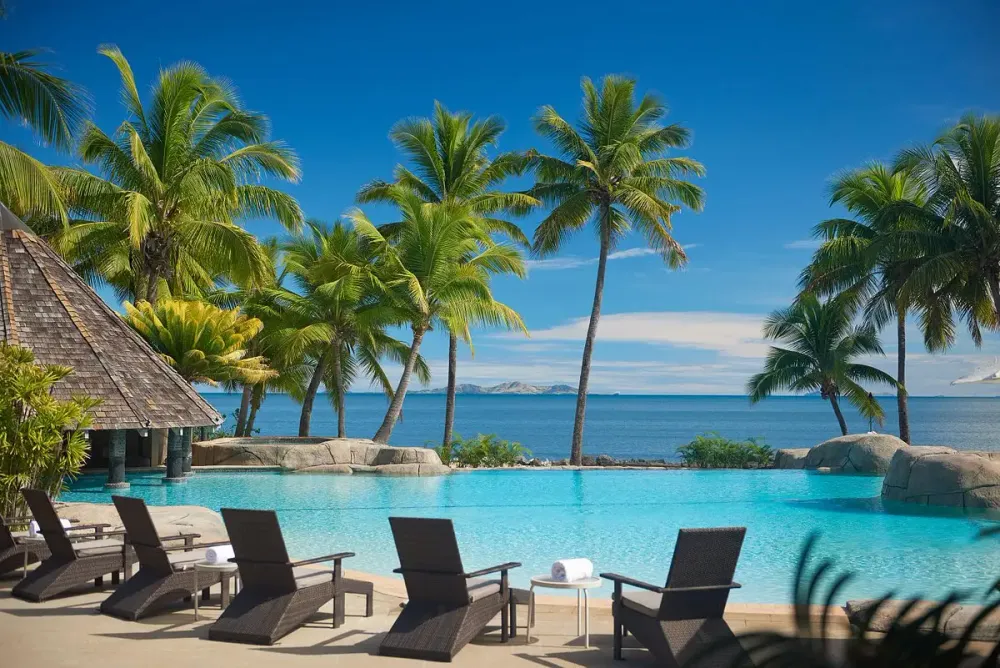
Ask someone whether Fiji is expensive and the answer you get will depend entirely on which Fiji they visited. One person will tell you they spent two weeks island-hopping on a backpacker budget, eating market food and sleeping in thatched bures, and it cost them less than a comparable trip to Bali. Another will tell you they spent more per night at their overwater villa than they earn in a week. Both of them are right — and both of them went to Fiji.
The honest answer is that Fiji spans one of the widest price ranges of any Pacific destination. A solo backpacker with the right information can get by on FJD $80–120 per day, including a bed, three meals, and the occasional activity. A couple at a mid-range Coral Coast resort will spend FJD $400–600 per day. A pair at an upper-tier island resort should budget FJD $2,000 or more per day. The island exists comfortably at all of these price points, and the experience at each level is genuinely different — not better or worse in any absolute sense, just different.
This guide is for anyone who wants to know what things actually cost in Fiji before they commit to booking. All prices are in Fijian dollars (FJD). As a rough guide, FJD $1 ≈ AUD $0.70 ≈ USD $0.45, though exchange rates fluctuate and you should check the current rate before travelling. The goal here is not to scare you off or over-promise. It’s to give you real numbers so you can plan a trip that suits your budget — whatever that budget is.
Flights to Fiji
The biggest single cost for most international visitors is the flight, and here the variation is substantial depending on where you’re flying from and how far ahead you book.
From Australia and New Zealand
Fiji Airways and Jetstar both operate direct routes from Australia’s east coast to Nadi. From Sydney or Melbourne, expect to pay AUD $400–700 return during a sale or if you book six or more months in advance, with standard fares running AUD $700–1,100 return. Brisbane fares tend to be slightly cheaper given its proximity. Auckland to Nadi is often the cheapest entry point of all, with return fares regularly available under NZD $500 if you’re patient and flexible.
The main levers for getting a better price: book at least six months ahead, fly midweek (Tuesday and Wednesday departures are typically cheapest), and sign up to Fiji Airways’ email list for flash sales. Christmas, New Year, and the July–August school holiday period attract significant fare premiums — sometimes 30–50% above standard prices.
From the UK and Europe
There’s no direct service from Europe to Fiji, so you’re looking at connecting flights via Dubai (Emirates), Hong Kong or Taipei (Cathay Pacific, EVA Air), Auckland (Air New Zealand), or Sydney. Return fares from London typically range from £600–1,200 depending on the carrier, season, and how early you book. The key decision is whether to route via Asia or the Pacific — the Asian connections are often cheaper, while the New Zealand routing allows a meaningful stopover. Factor in travel time: London to Nadi is typically 22–28 hours depending on the connection.
From the USA
Fiji Airways operates direct services from Los Angeles to Nadi, and this is the most straightforward routing for North American travellers. Return fares from LA generally run USD $700–1,400, with the lower end achievable if you book well in advance and travel outside peak season. From the East Coast, you’re adding a domestic leg or a longer international routing.
Accommodation Costs
This is where the price range in Fiji is most dramatic, and where your choices will define the character of your trip more than anything else.
Budget and Backpacker: FJD $50–120/night
The Yasawa Islands have one of the best-developed backpacker circuits in the Pacific, with village-run guesthouses and backpacker bures that typically charge FJD $80–120 per night inclusive of three meals — which means your daily food bill is already covered. Dorm beds at budget properties run FJD $50–80/night. On the main island (Viti Levu), basic guesthouses in Nadi and around the Coral Coast start from around FJD $60–80/night for a private room, though the standard is more modest than what you get on the islands.
Mid-Range Resort: FJD $350–700/night
This bracket covers solid, full-service resorts with pools, restaurants, and professional service — the kind of place where you’ll be comfortable and well looked after without the stratospheric pricing of the luxury tier. Good options in this range include the Coral Coast resorts (Hideaway, Warwick, Naviti), the 3–4 star properties at Denarau Island, and some of the mid-tier Mamanuca island resorts. Breakfast is often included at this price point, which materially affects your daily food budget.
Upper-Mid Range: FJD $700–1,500/night
This is the zone of recognisable international brands and genuine quality at every touchpoint — think Outrigger Fiji Beach Resort, InterContinental Fiji Golf Resort & Spa, the Westin Denarau, and Radisson Blu. Rooms are large, the pools are spectacular, the restaurants are excellent, and the service is the kind that makes you feel genuinely looked after. These properties often run strong package deals combining accommodation, meals, and activities that significantly improve the value equation compared to paying for everything separately.
Luxury: FJD $1,500–3,000+/night
At this level you’re looking at premium private island resorts and boutique properties with exceptional settings and highly personalised service. Six Senses Fiji on Malolo Island, Likuliku Lagoon Resort (Fiji’s only true overwater bungalow property), and Yasawa Island Resort sit comfortably here. These are genuinely world-class experiences, and the pricing reflects facilities, staffing ratios, and the simple economics of operating a high-quality resort in a remote island setting.
Private Island Ultra-Luxury: FJD $3,000–8,000+/night
These are the properties that people mean when they say Fiji is outrageously expensive — and in this bracket, they’re not wrong. Turtle Island (the resort featured in the original Blue Lagoon film), Kokomo Private Island in the Southern Lau, and Namale Resort and Spa on Vanua Levu operate in this tier. The rate typically covers accommodation, all meals, activities, and in some cases all beverages. Some of these properties are adults-only or minimum-stay only. If you’re splitting the per-couple cost, the value calculation becomes more interesting — but it’s still a serious investment by any measure.
Food Costs
What you eat in Fiji, and where, is one of the most powerful levers you have over your daily spend. The gap between local and resort dining is one of the widest of any destination in the Pacific.
Budget Eating
Fiji’s Indo-Fijian curry houses — small, busy, formica-tabled restaurants that have been feeding the local working population for generations — are one of the great budget dining experiences in the Pacific. A full plate of curry with rice, roti, and dhal costs FJD $5–10 and is almost always excellent. Market food (fresh fruit, grilled corn, roti parcels, fresh coconut) runs FJD $3–8 per item. If you’re self-catering from a supermarket — a valid strategy if you have access to a kitchen — a day’s groceries for two people costs around FJD $30–50. This is the kind of eating that makes a Fiji trip genuinely affordable, and it’s not a compromise: the curry houses in Nadi and Lautoka serve food that many repeat visitors consider the highlight of the trip.
Resort Dining
Once you’re eating at a resort restaurant, costs rise sharply. At a mid-range resort, expect to pay FJD $25–45 for a cooked breakfast, FJD $25–50 for lunch, and FJD $60–120 per person for dinner, before drinks. A two-person dinner with wine at a decent resort restaurant will typically run FJD $180–280. These are not unreasonable prices for the quality and setting, but they add up quickly over a week.
Fine Dining at Top Resorts
At the upper end, dinner at a top resort restaurant — where the chef may have cooked in Sydney or London, and the menu changes with the seasons — runs FJD $150–250 per person for a full dinner with wine. Some properties offer multi-course tasting menus at the higher end of that range. The cooking is genuinely good and the settings are often spectacular, but this is clearly holiday-specific spending rather than everyday eating.
One strong piece of practical advice: if you’re staying at a resort that offers an all-inclusive package, do the maths carefully before opting for room-only. At mid-range and above, the meal plan often works out considerably cheaper than paying for each meal individually — and it eliminates the mental overhead of tracking every café spend.
Activities and Experiences
Fiji’s activity market caters to every budget, from free beach days to genuinely expensive adventure experiences.
On the Water
A day cruise to a Mamanuca island — typically departing from Port Denarau and including return transfers, lunch, and snorkelling — costs FJD $100–150 per person. This is excellent value for a full day at a beautiful island with everything included. Snorkelling equipment hire runs FJD $15–30 per day if you haven’t brought your own. For scuba divers, a two-tank guided dive for certified divers typically costs FJD $200–280, which is broadly competitive with international dive destinations given Fiji’s consistently excellent conditions. Shark diving at the world-famous Beqa Lagoon — a genuinely extraordinary experience involving bull sharks at close range — runs FJD $300–400.
River Adventures
The Sigatoka River jet boat — a fast, loud ride upriver past village settlements and forest to the site of an ancient hill fort — costs FJD $180–220. Whitewater rafting with Rivers Fiji, which runs through the remote Navua Gorge on traditional bilibili bamboo rafts as well as inflatable rafts, is one of the standout adventure experiences in the country and costs FJD $380–480 per person for the full-day trip. These prices are higher than many similar activities in Southeast Asia, but the remoteness and quality of the experience make them worthwhile if adventure activities are your priority.
Sky and Land
Skydiving over Nadi with the Mamanuca Islands spread below you costs FJD $450–550 for a tandem jump from around 12,000 feet. Zipline tours in the Sabeto Valley or along the Coral Coast run FJD $150–250 depending on the operator and the course length. Village visits with a local guide, including the sevusevu kava root gift that cultural protocol requires, typically cost FJD $50–100 for a half-day — and the money goes directly to the community.
Getting Around
Transport costs in Fiji depend almost entirely on which mode of travel you choose, and the range between cheapest and most expensive is significant.
On Viti Levu (the Main Island)
The local yellow bus network is the cheapest way to move around by a considerable margin. Nadi to Sigatoka costs FJD $4–6; Nadi to Suva on the express service costs FJD $12–15. These buses are slow, often packed, sometimes musical, and entirely authentic — they’re also an excellent way to see the island and meet local people. If you want the freedom to stop where you choose, rental cars start from around FJD $120–180 per day for a budget category vehicle (typically a small hatchback or SUV), with insurance on top. An airport taxi to the Denarau resort area costs FJD $20–30, depending on the driver and whether you negotiate.
Island Transfers
The Yasawa Flyer fast ferry is the key to affordable island travel in western Fiji. One-way fares to the southern Mamanuca Islands run from around FJD $90; the full run to the northern Yasawa Islands costs around FJD $140 one way. The Bula Pass — a hop-on-hop-off pass valid for 7 days — costs FJD $700–900 and is exceptional value if you plan to visit multiple islands, as it effectively caps your ferry costs for the week. For those who want to skip the ferry entirely, domestic flights from Nadi to Taveuni (Fiji’s “Garden Island”) run FJD $180–280 one way, with Pacific Island Air and Northern Air operating the routes on small prop aircraft.
Daily Budget Estimates: What to Actually Expect
Pulling all of this together into realistic daily budgets — these are per person unless otherwise noted:
Backpacker: FJD $80–120/day
Dorm bed or basic bure (inclusive of meals in the Yasawas), eating at local curry houses on the main island, using buses for transport, snorkelling off the house reef rather than paying for tours. This is genuinely achievable and not a punishing way to travel — the Yasawa backpacker circuit in particular is one of the best-value, most enjoyable travel experiences in the Pacific.
Budget Independent: FJD $150–200/day
A private room at a basic guesthouse or budget resort, a mix of local restaurant meals and the occasional resort breakfast, one paid activity every couple of days, local transport plus the occasional taxi. This feels comfortable rather than constrained and allows for real island experiences.
Mid-Range: FJD $400–600/day per couple
A solid resort room (often with breakfast included), two or three meals per day at a mix of resort and local restaurants, one activity per day. This is probably the most common experience for Australian and New Zealand holiday travellers visiting Fiji on a standard week or ten-day trip.
Comfortable: FJD $800–1,200/day per couple
A well-appointed room at an upper-mid-range resort, full-board or near-full-board dining, daily activities, possibly a spa treatment or two. This level of spending gets you a genuinely luxurious experience without the eye-watering pricing of the top tier.
Luxury: FJD $2,000+/day per couple
A premium island resort, all meals included, private transfers, daily activities, all-inclusive drinks. At Turtle Island or Kokomo you’d comfortably exceed this. At Likuliku or Six Senses, this is a realistic baseline.
What Drives the Cost Up
Understanding what pushes Fiji costs higher helps you make better decisions about where to allocate your budget.
Remote Location Premiums
The further from the main island you go, the more expensive everything becomes — not because operators are being greedy, but because the logistics are genuinely costly. Running a resort on a private island requires flying in supplies, maintaining a generator, operating a boat fleet, and paying staff who live on-site. Those costs flow through to room rates. The seaplane or helicopter transfer to some remote resorts can add FJD $400–800 per couple on top of the room rate.
Resort Dining Markups
The gap between eating at a resort and eating locally is perhaps the most significant cost variable in Fiji. A dinner that costs FJD $15 at a local curry house in Nadi costs FJD $80–120 at a resort restaurant. Neither price is wrong — they represent entirely different things — but if you’re at a resort without a meal plan and you eat three meals a day on-site, the food bill will rival the room rate over a week.
All-Inclusive vs. À La Carte
At the luxury end, all-inclusive pricing frequently works out cheaper than paying for everything separately. A resort charging FJD $800 all-inclusive per person per night sounds expensive, but if the alternative is FJD $550 room-only plus FJD $200 in meals plus FJD $100 in activities plus FJD $80 in drinks, the maths often favours the package — particularly if you’re the kind of traveller who engages fully with everything on offer.
Peak Season Premiums
July and August (Australian and New Zealand school holidays) and the Christmas–New Year period attract accommodation premiums of 20–40% at most resorts. If your travel dates are flexible, May, September, and early October represent the sweet spot of good weather, quieter resorts, and lower prices. The wet season (November through March) brings its own weather risks, though resorts discount significantly to compensate.
Where to Save Money Without Sacrificing Experience
Eat locally whenever you can. This is the single most impactful budget lever available. The quality of Indo-Fijian curry houses and fresh market food in Fiji is genuinely excellent — you are not making a sacrifice, you are making a different (and often better) choice.
Book flights early. The price gap between a flight booked six months out and the same flight booked two months out on the Sydney–Nadi route can easily be AUD $300–400 per person return. This is free money waiting to be claimed.
Travel in shoulder season. May, September, and October offer reliably good weather (particularly in western Viti Levu and the outer islands), significantly lower room rates, and far fewer other tourists. The reef is just as beautiful in October as in August.
Consider Coral Coast resorts. The resorts along the Coral Coast — particularly around Sigatoka and Pacific Harbour — offer comparable quality and facilities to island resorts at meaningfully lower prices, largely because there’s no boat or plane transfer cost built in. If your priority is a good pool, a beach, and a reef nearby rather than the bragging rights of a remote island, the Coral Coast delivers excellent value.
Buy the Bula Pass. If you’re island-hopping in the Yasawas, the 7-day Bula Pass is significantly cheaper than buying individual fares. Plan your island sequence in advance, buy the pass at Port Denarau, and island-hop on your own schedule.
Look for flight-and-resort packages. Fiji Airways, in particular, regularly packages airfares with resort accommodation at rates that undercut booking both components separately. These deals surface most clearly in the Australia–New Zealand market and are worth checking before you book independently.
Stay at village guesthouses. In the Yasawa Islands, village-run guesthouses with all-inclusive meal packages offer some of the best-value accommodation in Fiji — and arguably some of the most authentic experiences. You’ll eat with the family, learn some Fijian, attend a kava ceremony, and swim at a reef that costs nothing to access. This is not the compromise version of Fiji. For many travellers, it’s the best version.
Final Thoughts
Fiji’s reputation for expense is not entirely unearned — there genuinely is a version of this destination that is among the most costly in the Pacific, and if you wander into it unprepared, the bills can be startling. But it is one version of a destination that contains multitudes. The backpacker doing the Yasawa circuit on FJD $100 per day and the couple celebrating an anniversary at Likuliku are both having a legitimate Fiji experience, and both are likely to rate it among the best trips of their lives.
The key, as with any destination that spans a wide price range, is knowing which Fiji you’re actually booking. That means checking what’s included in the accommodation rate (meals especially — they move the needle significantly), understanding what transport to and from your chosen island costs before you commit, eating locally as often as you can wherever you are, and travelling in a shoulder month if your schedule allows. Armed with that knowledge and the numbers in this guide, there’s no reason a trip to Fiji should be a financial shock — whatever your budget.
Frequently Asked Questions
How much does a week in Fiji cost per person?
It depends entirely on your travel style. A backpacker using the Yasawa Islands circuit can complete a week for around FJD $700–900 including accommodation and meals. A mid-range traveller at a Coral Coast resort should budget FJD $2,000–3,500 for seven nights including meals and a few activities. A luxury resort week at a quality island property will typically cost FJD $7,000–15,000+ per person once transfers, meals, and activities are included. All of these are real Fiji experiences — the price point just determines which one you have.
Is Fiji cheaper than Bali or Thailand?
For flight costs from Australia, Fiji is broadly comparable to Bali and more expensive than Thailand. Once you’re there, Bali and Thailand offer more affordable local economies — street food, transport, and local accommodation are cheaper in Southeast Asia than in Fiji. However, Fiji’s resort quality for a given price point is generally excellent, and if you’re comparing a similar standard of resort experience, the gap narrows considerably. Budget backpacker travel in Fiji’s village guesthouse circuit is genuinely competitive in cost with Southeast Asian alternatives.
Are there hidden costs I should know about?
A few costs catch travellers by surprise. First, island transfer fees: the seaplane or boat transfer to a remote resort can add FJD $200–600 per couple to your total before you’ve set foot in the room. Second, resort activity costs: if your accommodation doesn’t include activities, they add up quickly — a day of diving, a sunset cruise, and a village tour can easily reach FJD $500–600 for two people. Third, departure tax: Fiji charges a departure tax of around FJD $200 per person on international flights, though this is typically included in the ticket price when booked through major airlines.
What’s the best way to manage money in Fiji?
Most resort areas accept major credit cards (Visa and Mastercard are most widely accepted), but local markets, buses, and smaller guesthouses are cash-only. ATMs are available in Nadi, Lautoka, Sigatoka, Suva, and at Port Denarau Marina. It’s worth withdrawing FJD cash before heading to the outer islands, as ATM availability is limited or non-existent on most of the Yasawa and Mamanuca islands. Check your bank’s international transaction fees before you travel — some Australian and New Zealand banks offer accounts with low or no foreign transaction fees that can save meaningfully over a two-week trip.
Is tipping expected in Fiji?
Tipping is not a cultural expectation in Fiji the way it is in the United States, and no one will be offended if you don’t tip. That said, a small gesture — FJD $5–10 — is genuinely appreciated by a guide who’s gone out of their way, a guesthouse host who has looked after you well, or resort staff who have been consistently excellent. At village guesthouses, contributing a little extra to the community kava fund, or bringing a kava bundle as a gift, is generally more appreciated than a cash tip in an envelope.
When is the cheapest time to visit Fiji?
The shoulder season — May, September, and October — offers the best combination of good weather, lower accommodation rates, and fewer crowds. May is particularly good: the wet season is ending, the air is clear, the water is warm, and resorts are hungry for bookings after the quiet summer months. The official wet season runs November through March, and while some travellers visit successfully during this period (the west side of Viti Levu receives considerably less rain than the east), cyclone risk is real between December and March, and many smaller island properties close for the season. The peak season of July–August and Christmas–New Year is the most expensive time to visit by a significant margin and generally not worth the premium unless school holidays dictate your dates.
By: Sarika Nand