Published
- 10 min read
How to Get to the Yasawa Islands from Denarau
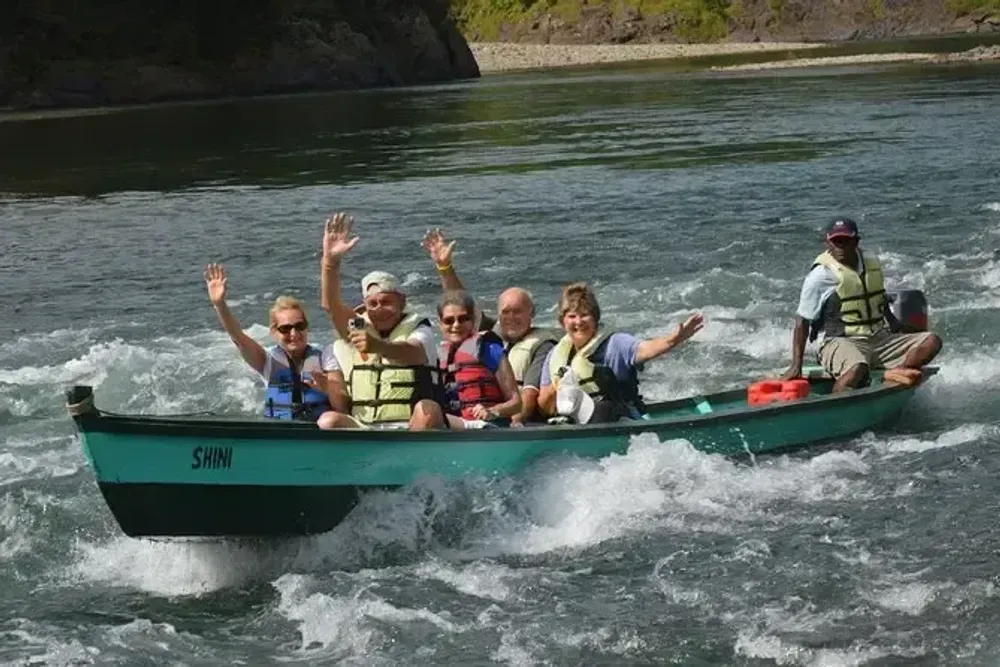
The Yasawa Islands stretch north from the Mamanucas in a long, narrow chain of volcanic ridges and white-sand bays — some of the most genuinely remote and visually spectacular island scenery in the South Pacific. Getting there from Denarau is part of the experience rather than an inconvenience, and the right transfer option depends on your budget, your time, and how much of the journey you want to be part of the trip itself. There are three main ways to reach the Yasawas: the Yasawa Flyer catamaran, a seaplane with Turtle Airways, or a domestic light aircraft to one of the islands with an airstrip. Each involves a completely different type of journey.
Option 1: The Yasawa Flyer (Awesome Adventures Fiji)
For most travellers heading to the Yasawa Islands, the Yasawa Flyer is the primary transport option, and for good reason. It is a large, comfortable catamaran that departs Port Denarau at approximately 8:30am daily, stopping at various Mamanuca islands first — South Sea Island, Mana, Malolo Lailai, and others — before continuing north into the Yasawas. The stops accumulate as the ferry works its way up the chain, dropping off and collecting passengers at each island along the route.
Journey times vary considerably depending on your destination. Islands in the southern Yasawas are reachable in two to four hours from Denarau. The northern Yasawas — including Yasawa Island itself — require approximately five to six hours of travelling. If your resort is near the end of the route, you will be on the ferry for most of the morning and into the early afternoon, and it is worth accepting this at the planning stage rather than being surprised by it on the day.
Pricing is structured per segment — one island stop to the next — rather than as a single through fare to your destination. Expect to pay approximately FJD $55 to $110 per segment, with the total one-way fare from Denarau to the northern Yasawas running approximately FJD $200 to $260 per person. For travellers planning to visit multiple islands rather than staying in one place, the Bula Pass — a timed multi-stop pass available in 6-day, 8-day, and 10-day options — offers considerably better value than purchasing individual segments. See the separate Bula Pass article for a full breakdown of how it works.
Booking can be done directly at Port Denarau or through the Awesome Adventures Fiji website. Most island resorts can also coordinate your Yasawa Flyer transfer when you book your accommodation — it is worth asking, as some resorts have established arrangements with the ferry operator that simplify the logistics considerably.
On board, the catamaran is comfortable rather than luxurious. There is enclosed indoor seating with air conditioning, open deck areas for those who prefer to be outside, and a small café and bar. Bring sunscreen regardless of the season — the open decks are exposed, and the crossing time is long. Sea sickness medication is strongly recommended if you are prone to it; some of the open-water crossings between islands can be rough, particularly in certain wind conditions. Pack snacks and a refillable water bottle. A soft bag or backpack is better than a rigid suitcase — storage space on the catamaran is limited, and hard-shell luggage is awkward to manage both on board and during the island boarding and disembarkation process.
Option 2: Seaplane (Turtle Airways)
If the Yasawa Flyer gets you there for the experience, Turtle Airways gets you there for the time saving — and for an experience of an entirely different kind. Turtle Airways operates floatplanes from the Port Denarau seaplane terminal to various Yasawa island destinations, with journey times of approximately 25 to 40 minutes to most Yasawa resorts. The comparison with a five- or six-hour ferry journey is not subtle.
The flight itself is remarkable. The aircraft flies low over the reef, giving a clear view of the coral structure, the colour gradations from shallow sand to deep water, and the island chain from above. Landing on the water alongside your island resort — engine noise cutting out, floats touching down, the ferry pulling up to a small jetty in the middle of nowhere — is a genuinely memorable arrival. For many travellers, the seaplane transfer is a highlight of the Fiji trip rather than just a means of getting somewhere.
Pricing reflects the experience. Expect to pay approximately FJD $300 to $500 or more per person one-way depending on your destination (roughly AUD $210 to $350 or more). Some resorts — particularly those at the higher end of the market — include or subsidise the seaplane transfer as part of their accommodation rates. It is always worth confirming the transfer arrangement when you book your resort, as the inclusion of a seaplane transfer at a premium property can change the cost comparison considerably.
Baggage limits on seaplanes are strict and non-negotiable. The total allowance including carry-on is typically 10 to 15 kilograms per person. If you are packing for a longer Fiji holiday and carrying more than this, you will either need to leave luggage at your Nadi hotel for the duration of your island stay, ship it separately, or plan your packing carefully before you leave home. The weight restriction is the most significant practical constraint of the seaplane option, and it catches people off guard. Advance booking is essential — the aircraft are small and fill quickly, particularly during peak season. Book at the same time as your accommodation rather than leaving it until closer to your travel date.
Option 3: Domestic Light Aircraft (Fiji Link / Northern Air)
A third option exists for travellers heading to islands with paved or grass airstrips: domestic light aircraft operated by Fiji Link or Northern Air. Small propeller aircraft connect Nadi Airport and Nausori Airport (Suva) with airstrips on some of the larger Yasawa and nearby islands, including Yasawa Island and Matagi Island. The Nausori to Matagi route, for example, takes approximately 45 minutes by propeller aircraft.
This option is less commonly used for Yasawa access than either the ferry or the seaplane, in part because not all islands in the chain have usable airstrips, and in part because the seaplane is both more flexible in terms of landing locations and, for many travellers, the more appealing experience. If your specific resort is on an island with an airstrip, it is worth comparing the light aircraft fare and schedule against the seaplane option — the aircraft can be cost-competitive depending on the route. Check with your resort or directly with the airlines for current schedules and pricing, and confirm whether your destination island has a functioning airstrip before making any booking assumptions.
Practical Advice
Booking your island transfer at the same time as your resort accommodation is the single most useful piece of logistics advice for a Yasawa trip. Most resorts are experienced at coordinating arrivals and can confirm the right departure time, the right ferry stop or seaplane terminal, and whether any transfer arrangements are included in your package. Leaving the transfer booking until after your accommodation is confirmed risks finding the seaplane fully booked or the Yasawa Flyer oversubscribed during peak periods.
If you are travelling on the Yasawa Flyer, arrive at Port Denarau at least 30 minutes before the 8:30am departure. During peak season — the Australian and New Zealand school holidays, Christmas and New Year, and the July–August period — the check-in process can be slow when the ferry is busy, and the boarding queues require time. Arriving early is not overcaution; it is straightforward planning.
For travellers doing a multi-stop Bula Pass itinerary, the practical advice is to plan your island sequence loosely rather than rigidly. It is possible to change your plans en route, swapping island stops as your preferences evolve. However, during peak season, each island stop requires accommodation to be booked in advance — spontaneity works better outside of the high season, when resorts have available capacity. Build flexibility into your itinerary but do not rely on it entirely if you are travelling in a busy period.
Final Thoughts
Getting to the Yasawa Islands from Denarau is straightforward once you understand what each option involves. The Yasawa Flyer is the most accessible and affordable route, delivers a genuine journey through the island chain, and works well for travellers who want flexibility or who are doing a multi-stop itinerary. The Turtle Airways seaplane is the fastest option and one of the more memorable travel experiences in the region, well suited to travellers prioritising time or a special arrival. Domestic light aircraft are a viable third option for specific destinations with airstrips and are worth pricing up if they serve your island.
Whatever transfer you choose, plan it alongside your accommodation, pack soft bags if you are taking the ferry, respect the weight limits if you are taking the seaplane, and accept that the journey north through Fiji’s island chain is — by most measures — not the hardship it might sound like on paper.
Frequently Asked Questions
How long does the Yasawa Flyer take to reach the Yasawa Islands?
Journey time on the Yasawa Flyer depends on which island in the chain is your destination. The southern Yasawa islands are approximately two to four hours from Port Denarau, with stops in the Mamanucas along the way. The northern Yasawas — including Yasawa Island at the top of the chain — are approximately five to six hours from Denarau. The ferry departs daily at approximately 8:30am, meaning arrivals at northern destinations are typically in the early to mid afternoon.
How much does it cost to take the seaplane to the Yasawa Islands?
Turtle Airways seaplane transfers from Port Denarau to Yasawa island destinations cost approximately FJD $300 to $500 or more per person one-way, depending on the specific destination (roughly AUD $210 to $350 or more). Some resorts include or subsidise the seaplane transfer as part of their accommodation package, so it is worth confirming the transfer arrangement directly with your resort when booking. Strict baggage limits of 10 to 15 kilograms total apply, and advance booking is strongly recommended.
What is the Bula Pass and is it worth it for the Yasawa Islands?
The Bula Pass is a timed, multi-stop pass for the Yasawa Flyer ferry, available in 6-day, 8-day, and 10-day options. It allows unlimited ferry travel within the pass period, covering both the Mamanuca and Yasawa island chains. For travellers planning to stay on multiple islands rather than basing themselves at a single resort, the Bula Pass is significantly more economical than purchasing individual segment fares. For travellers staying at one Yasawa island resort for the duration of their trip, a standard return fare is typically sufficient.
Can you get to all the Yasawa Islands by seaplane or ferry?
The Yasawa Flyer stops at the majority of inhabited islands in the Yasawa chain with operational jetties or tenders, covering most resort destinations. Not all stops are served daily — confirm the schedule for your specific island with Awesome Adventures Fiji when booking. Seaplanes from Turtle Airways can reach any island with calm water suitable for landing, which covers most Yasawa destinations. Domestic light aircraft serve only islands with airstrips, which is a smaller subset of the chain. Your resort can confirm the best transfer option for your specific destination.
By: Sarika Nand