Published
- 11 min read
How to Get to Taveuni from Nadi
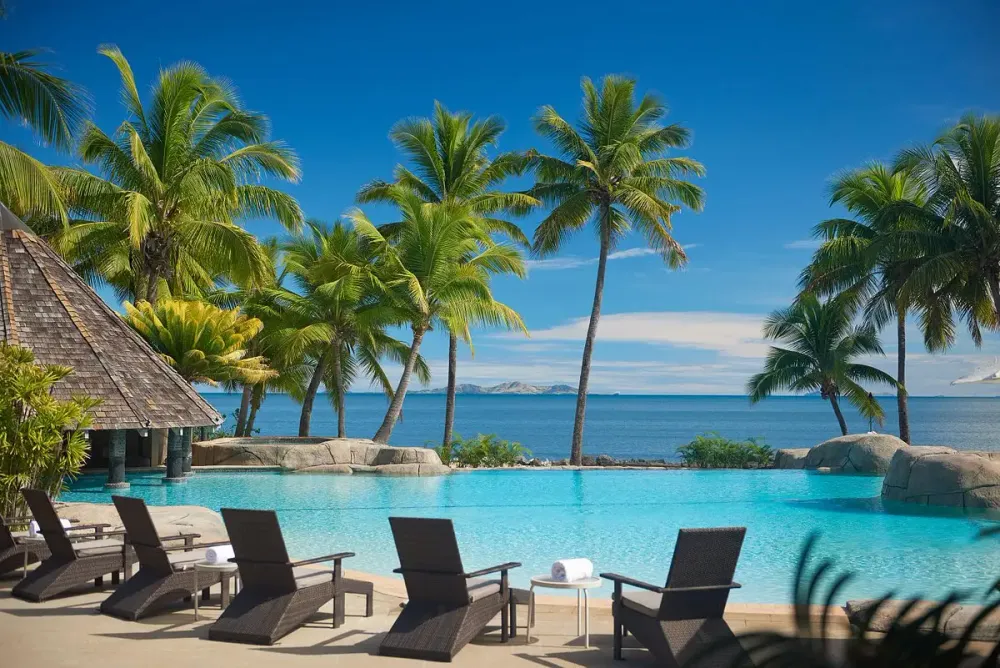
Taveuni is Fiji’s third-largest island, sitting roughly 180 kilometres northeast of Nadi in the country’s lush, rain-soaked northeast. It is home to the Bouma National Heritage Park, the famous Rainbow Reef, and some of the most intact tropical forest left in the Pacific. It is also, by any reasonable measure, one of the most beautiful places in Fiji — and one of the most rewarding to visit precisely because it takes a little effort to reach. That distance from the main island is a large part of what makes Taveuni what it is: unhurried, genuinely local, and comparatively free of the resort infrastructure that dominates the Coral Coast and the Mamanucas.
Getting to Taveuni from Nadi is not complicated, but it is not as simple as jumping on a bus or taking a short ferry across the lagoon. There is no road connection to Viti Levu, and the crossing involves either a domestic flight or a combination of flights and ferry travel that takes the better part of a day. Understanding your options before you book makes the journey significantly easier to plan, and given that seats on small aircraft fill quickly in peak season, planning well in advance makes a real difference to what you pay and whether you get there when you intend to.
Flying Direct from Nadi: The Fastest Option
The most straightforward way to reach Taveuni from Nadi is a domestic flight into Matei Airport (airport code TVI), which sits on the island’s northern tip and serves as the main gateway for visitors. Fiji Link — the domestic subsidiary of Fiji Airways — operates this route and remains the primary carrier for travellers departing from Nadi International Airport.
The flight time from Nadi to Matei is approximately 50 to 60 minutes depending on routing. Some services operate as direct connections; others make an intermediate stop at Suva or Savusavu on Vanua Levu before continuing to Matei. The itinerary can vary by day of the week and by season, so it is worth checking the specific schedule for your travel dates when booking. Flights run daily or close to it, though capacity on these aircraft is limited — most services operate on small turboprop aircraft with fewer than 40 seats — and available seats at any given price point are finite.
Pricing for the Nadi–Matei route with Fiji Link runs approximately FJD $250 to $400 (around AUD $175 to $280) one-way, depending on how far in advance you book and what time of year you are travelling. The lower end of that range is achievable if you book several weeks ahead in the shoulder season; the upper end reflects last-minute availability in peak months. Book as early as you reasonably can.
Flying via Suva: The Two-Leg Option
The second air option involves flying from Nadi to Suva first, then connecting onward to Matei from Nausori Airport, which is the domestic airport serving the Suva area and sits roughly 23 kilometres from the capital. This two-leg approach is useful if you are already planning time in Suva, or if direct Nadi–Matei availability on your preferred dates is limited.
Fiji Link serves the Nadi–Suva leg, with a flight time of approximately 25 minutes — one of the shortest scheduled services in the Pacific. The Nausori–Matei leg is operated by both Fiji Link and Northern Air, Fiji’s other domestic carrier, and takes around 45 minutes. Northern Air also operates scheduled services from Nausori to Matei independently of the Fiji Link network, and can be a useful alternative if Fiji Link seats on this leg are unavailable or more expensive.
The two-leg approach requires careful attention to connection times. Nausori is not Nadi — it is a separate airport in a different city — so if you are connecting from an international arrival in Nadi, you cannot simply transit within the same terminal. The Nadi–Nausori leg needs to be booked and managed as a separate domestic sector, and you should allow reasonable time between connections. Your accommodation in Suva or a Suva-based travel agent can help you sequence this correctly.
Travelling by Ferry: The Sea Route
Reaching Taveuni by sea is a longer and more logistically involved undertaking than flying, and it is not the route most international visitors choose. That said, it is a genuine option for travellers who are already on Vanua Levu, who want to avoid flying, or who simply prefer the rhythm of a sea crossing. Understanding what the journey involves helps you decide whether it suits your itinerary.
The most practical sea route for those starting from the Suva area involves travelling to Natovi Jetty, located on the northeast coast of Viti Levu roughly an hour’s drive from Suva city. From Natovi, a passenger and cargo ferry crosses to Buca Bay on the southern coast of Vanua Levu. From Buca Bay, travellers then need to arrange onward road and water transport to Taveuni’s Korovou Wharf on the western side of the island. The total journey — Suva to Natovi, ferry crossing, and then the Vanua Levu to Taveuni transfer — easily runs to six hours or more when connections and waiting times are factored in. It is a full day of travel, and not a route typically recommended to first-time visitors with limited time.
The more manageable sea option is the ferry service that operates between Savusavu, on the southern coast of Vanua Levu, and Taveuni. If you are already on Vanua Levu — either because you have flown in from Nadi or because Savusavu is part of your existing itinerary — this crossing is a sensible and affordable way to reach Taveuni. The ferry takes around three to four hours across to Korovou Wharf and runs several times a week rather than daily. Pricing is approximately FJD $40 to $60 one-way (around AUD $28 to $42), making it the most economical crossing available. Schedules can shift, so confirming departure times with the ferry operator or your accommodation a day or two before you travel is advisable.
The sea journey between Savusavu and Taveuni passes through the Somosomo Strait, which is one of the world’s great passages for soft coral diving but is also a stretch of water that can be lively in unsettled weather. The crossing is manageable for most travellers, but if you are prone to seasickness, taking appropriate medication beforehand and travelling on a calm day are both wise precautions.
Getting Around Taveuni Once You Arrive
Taveuni has a main sealed road that runs from Matei in the north down to Vuna at the island’s southern end — a distance of approximately 32 kilometres that takes around an hour and a half to cover by car at a comfortable pace. Most of what visitors come to Taveuni to see sits along or close to this road: the waterfalls and forest of Bouma National Heritage Park, the village of Somosomo, the dive operations that access Rainbow Reef, and the various guesthouses and small resorts spread along the coast.
Conventional car hire in the sense that visitors are used to elsewhere in Fiji — walk-in rental offices, a choice of vehicles, organised booking in advance — is not really available on Taveuni. The island operates at a different pace, and transport arrangements tend to be more informal. The most practical approach for most visitors is to arrange transfers through their accommodation. Virtually every guesthouse and resort on Taveuni can organise airport pickups and drop-offs, and many can also help with day trip transport around the island, either through their own vehicles or through local contacts they work with regularly.
Taxis are available and operate along the main road, with drivers well used to taking visitors between Matei, the waterfall areas, and the accommodation clusters around Somosomo and Waiyevo. They are not metered in the conventional sense — agreeing a fare before you set off is the standard approach, and your accommodation can advise on what is reasonable for the routes you are planning. Small private vans can sometimes be hired through guesthouses for full-day transport, which is the most flexible option if you are planning to move around the island independently. There is also a local bus service that connects the main settlements along the road, inexpensive and reliably local in character, though schedules are not always consistent.
Practical Tips Before You Travel
Timing matters considerably when booking flights to Taveuni. The peak travel months — broadly July through September and the Christmas and New Year period — see high demand for domestic Fiji routes, and the small aircraft servicing Matei mean that available seats at any given fare are limited. Booking several months in advance for travel during these periods is not excessive; it is simply the practical reality of island travel in this part of Fiji.
Luggage allowances on domestic Fiji services are typically more restrictive than on international flights. Many services to Matei operate on aircraft with a checked baggage allowance of around 10 kilograms, with strict enforcement given the weight limitations of small turboprops. If you are travelling on an international itinerary and bringing diving equipment or bulky gear, check the domestic luggage policy for your specific aircraft type before you pack. Oversized or overweight luggage can result in delays or additional charges, particularly if the flight is close to its weight limit.
Weather in Taveuni and the region around the Somosomo Strait can be unpredictable, and small aircraft operations are more susceptible to weather-related delays and cancellations than jet services. If you have a connecting international flight from Nadi, building in at least a full spare day at the Nadi end of your trip is a sensible buffer. Travellers who need to be back at Nadi International on a specific date for a departure should not schedule the Taveuni–Nadi domestic leg on the same day as their international flight unless there is genuinely no alternative. Weather delays on domestic routes in Fiji are not common, but they do happen, and Taveuni’s rainfall patterns make the island’s surrounding airspace more affected than most.
Final Thoughts
Taveuni takes a little more organisation to reach than Fiji’s more accessible island destinations, and that is not a drawback — it is, in many ways, exactly the point. The effort of getting there filters out the impulse traveller and keeps the island as it is: relatively quiet, genuinely beautiful, and operating on its own unhurried terms. A domestic flight of under an hour from Nadi, or a sea crossing of a few hours from Vanua Levu, is a very modest investment for what Taveuni delivers. Book your flights early, check your luggage allowances, build in a weather buffer if you have a hard departure date, and let your accommodation handle the ground transfers. The rest of it — the waterfalls, the reef, the forest — takes care of itself.
Frequently Asked Questions
How long does it take to get to Taveuni from Nadi?
Flying direct from Nadi to Matei Airport on Taveuni takes approximately 50 to 60 minutes depending on whether the service makes an intermediate stop. Allowing time for check-in and any connection, most travellers should budget two to three hours from arriving at Nadi Airport to being on the ground at Matei. The two-leg route via Suva adds several hours to the journey, depending on connection timing. Travelling by sea from the Suva area is a full-day undertaking of six hours or more in total.
How much does a flight from Nadi to Taveuni cost?
Fiji Link flights from Nadi to Matei Airport (TVI) on Taveuni are priced at approximately FJD $250 to $400 one-way (around AUD $175 to $280), depending on availability, how far in advance you book, and the season. Prices at the lower end of the range are most achievable with early booking outside of the July–September and Christmas peak periods. Seats on these services are limited, so booking as early as possible is strongly recommended.
Is there a ferry from Nadi to Taveuni?
There is no direct ferry from Nadi to Taveuni. The sea journey requires travelling to the Suva area, crossing to Vanua Levu from Natovi Jetty, and then arranging onward transport to Taveuni — a full day’s travel in total. The most practical ferry option is the service that runs between Savusavu on Vanua Levu and Korovou Wharf on Taveuni, which takes around three to four hours and costs approximately FJD $40 to $60 one-way (around AUD $28 to $42). This route is best suited to travellers who are already on Vanua Levu.
Can you hire a car on Taveuni?
Conventional car hire is not readily available on Taveuni in the way it is in Nadi or on the Coral Coast. The most practical approach is to arrange transfers and transport through your accommodation — most guesthouses and resorts can organise airport transfers, day trip transport, and connections to the main attractions. Taxis operate along the main road, and small vans can sometimes be hired informally through local contacts arranged via your accommodation. Agree on a fare before you travel, and ask your hosts for guidance on current rates.
By: Sarika Nand