Published
- 26 min read
A Guide to Pacific Harbour, Fiji
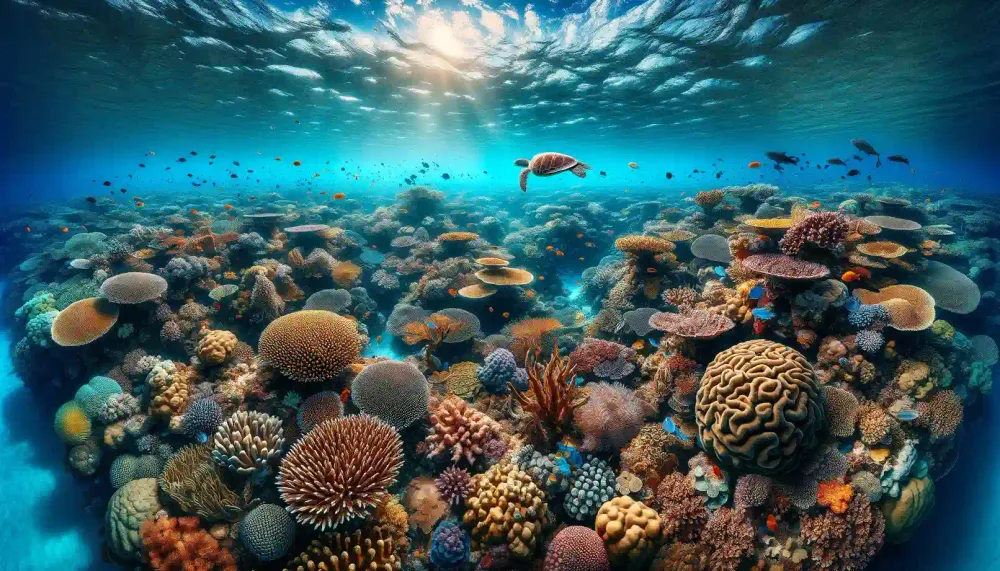
Pacific Harbour is not a beach resort town, and it has never tried to be. Sitting on the southern coast of Viti Levu, about 45 kilometres west of Suva and roughly 100 kilometres east of Nadi along the Queens Road, it is the place Fijians point to when they want to explain what they mean by adventure. The Beqa Lagoon sits just offshore — a deep, protected expanse of water that is home to one of the most extraordinary shark dive operations anywhere in the Pacific. The Upper Navua Gorge is accessible to the north, a remote canyon carved through ancient volcanic rock that is inaccessible by road and holds some of the most dramatic whitewater in the entire Pacific region. The Damodar Arts Village brings authentic Fijian cultural performances and traditional firewalking to a single site in a way that few destinations in Fiji manage so well. Pacific Harbour is built around doing things, and it does them at a level that is genuinely world-class.
Understanding this early will prevent disappointment. The town itself is modest — there is no resort strip lined with restaurants and beach bars, no parade of boutique hotels competing for attention, no sunset cocktail crowd gathered at a picturesque pier. What Pacific Harbour has instead is infrastructure built specifically for serious activity tourism: operators who have refined their safety protocols and guiding skills over decades, accommodation options positioned for early morning dive departures rather than late-night socialising, and a pace that is oriented around preparation and recovery rather than leisure. Visitors who arrive expecting the resort experience of the Coral Coast further west or the island beauty of the Mamanucas will feel the mismatch immediately. Visitors who arrive with a wetsuit, a sense of adventure, and a willingness to engage with what Pacific Harbour actually offers will find it unforgettable.
The town sits within reach of both Suva and the Coral Coast, which makes it workable as either a day trip destination or a dedicated multi-night base. For the shark diving and whitewater rafting in particular, basing yourself here for at least two nights is the right approach — these are not activities to rush, and having the buffer of consecutive days allows you to repeat the experiences, work around weather or tide windows, and decompress properly between them. Pacific Harbour rewards travellers who give it time and arrive with their expectations calibrated correctly.
Getting There
From Nadi: Pacific Harbour is approximately 100 kilometres east of Nadi along the Queens Road, Fiji’s main southern highway. The drive takes around 1.5 hours under normal conditions, passing through the towns of Sigatoka and several Coral Coast resort areas before the road turns inland briefly near the Coral Coast’s eastern end. The Queens Road is sealed, well-maintained, and clearly signposted for the entire distance. There are no challenging driving sections, though the approach through Sigatoka town can slow in the middle of the day due to local traffic.
From Suva: Pacific Harbour is a 45-minute drive west of Suva along the Queens Road — a straightforward run with light traffic outside of morning and evening commute periods. This proximity to Suva means Pacific Harbour is easily combined with a day in the capital, and travellers making their way between Suva and the Coral Coast can and should stop here rather than passing through.
Rental car is the most flexible option for reaching and getting around Pacific Harbour. A vehicle gives you the freedom to time your arrival around dive check-ins, explore the coastline between Pacific Harbour and Suva, and make detours to the Navua River area where rafting operations are based. Rental cars are available at Nadi Airport from all major operators; rates start from around FJD $120–$170 per day for a standard vehicle. Petrol stations are available along the Queens Road and in Pacific Harbour itself.
Transfers are available from Nadi Airport, Denarau, and Coral Coast hotels to Pacific Harbour and can be arranged through Pacific Harbour accommodation properties or through the dive and activity operators, many of whom include transfers in their package pricing. This is the practical choice for travellers who have pre-booked multi-day dive packages and don’t need independent transport.
Local buses run the Queens Road between Nadi and Suva throughout the day and stop at Pacific Harbour. A ticket from Nadi costs around FJD $8–$10, and from Suva around FJD $3–$5. Journey times are longer than driving due to frequent village stops — allow around two to three hours from Nadi by bus. Buses depart from the Nadi Bus Stand on Hospital Road in Nadi town and from the main bus stand in Suva city. This is a viable budget option for travellers with flexible timing and light luggage, but it is less practical if you’re carrying dive equipment or have an early morning operator check-in.
Shark Diving at Beqa Lagoon
The shark dive at Beqa Lagoon is what Pacific Harbour is known for throughout the international diving community, and the reputation is not exaggerated. The Shark Reef Marine Reserve in the outer reef of Beqa Lagoon operates as one of the densest and most reliably accessible shark encounters available anywhere in the world. On a typical dive, you are likely to be in the water with bull sharks, tiger sharks, nurse sharks, lemon sharks, whitetip reef sharks, and silvertip sharks simultaneously — not occasional passing sightings, but sustained encounters with large animals moving at close range in clear water. For experienced divers, it is genuinely one of the finest dives on the planet.
The dives are conducted at two sites within the Marine Reserve. The lower platform sits at around 30 metres and is where the larger animals congregate — bull sharks and tiger sharks, some of the bull sharks reaching well over two metres in length, move along the reef wall at this depth while divers kneel in a controlled formation on the sandy bottom. The upper platform at approximately 15 metres hosts a different and equally dramatic cast: nurse sharks, lemon sharks, and whitetip reef sharks in significant numbers, with the bull sharks occasionally rising to join them. The two-tank dive format used by the main operators runs a deep dive first, then the shallower site, giving you time at both depths and maximising the range of species encountered.
Beqa Adventure Divers (BAD) is the primary operator and the one most closely associated with the development of the dive site. They have been running shark feeds at the Shark Reef Marine Reserve since 1999, and their protocols — how divers are positioned, how the feed is conducted, how sharks are managed — have been refined over decades of operation and thousands of dives. Their guides are experienced specifically with these animals, not generically trained divemasters, and the professionalism shows in how calmly and safely the encounters are managed. BAD also plays an active conservation role in the reserve and employs local Fijian divers and staff.
Aqua Trek Beqa is the other main operator running shark dives out of Pacific Harbour, with a similar product and comparable experience levels among their guiding team. Both operators are reputable, safety-conscious, and well-reviewed. Booking directly with either operator gives you access to their current schedule and availability; both also accommodate bookings through Nadi-area tour desks for travellers arriving with their itinerary partially pre-arranged.
What the dive costs: A two-tank shark dive with either main operator runs approximately FJD $350–$450 per person, including all equipment, boat transfer to the site, and divemaster guidance. This is not the cheapest diving you will do in Fiji — it is not priced as a budget activity — but for what it delivers it represents straightforward value. The dive sites are a 20–30 minute boat ride from Pacific Harbour’s marina.
Certification and experience requirements: This is not a dive for beginners or recent open-water graduates. Operators require PADI Open Water certification (or equivalent), and strongly recommend a minimum of 30–50 logged dives. The depth of the lower platform (30m) technically requires Advanced Open Water certification for that portion of the dive. Some operators will assess experience level at the time of booking and adjust accordingly — if you are uncertain about your qualifications, contact the operator directly before travelling. The dives are not difficult in terms of navigation or conditions — the water in the lagoon is generally calm and visibility is good, typically 15–25 metres — but the environment is genuinely active and requires composed, experienced diving behaviour.
Snorkel options for non-divers: Non-diving companions can join the boat and snorkel at the upper platform, where the shallower depth and calmer conditions make the shark encounter accessible without scuba equipment. This is not the full experience — you are looking down at the action rather than being level with it — but it is a legitimate and memorable way to witness the Beqa Lagoon sharks for those who don’t dive. Some operators charge a reduced rate for snorkel-only participation; confirm this at the time of booking.
The conservation context: The Shark Reef Marine Reserve was established in 2004 through a partnership between Beqa Adventure Divers and the communities of Galoa, Dakuibeqa, Yanuca, and Beqa Island. The reserve formally protects sharks within its boundaries from fishing and finning — a critical measure given that Fiji’s shark populations had been under severe pressure from the finning trade in preceding decades. The dive operations fund the reserve management directly, creating a model where shark tourism pays for shark conservation in a direct and accountable way. The local communities that manage the reserve have a financial interest in the sharks’ continued presence and health. It is one of the more successful marine conservation models in the Pacific, and understanding this context makes the dive a richer experience than it would be as pure adrenaline tourism.
Whitewater Rafting: Upper Navua River
The Upper Navua Gorge is the other defining reason to come to Pacific Harbour, and it is as spectacular in a completely different register from the shark dives. Rivers Fiji is the sole commercial operator running rafting and kayaking expeditions through this section of the river, and they have held that position for decades. The Upper Navua Gorge is not easily described to someone who hasn’t seen it. The river runs through a canyon cut into black volcanic basalt, the walls rising sheer above the water in some sections to heights that reduce the sky to a narrow strip of blue. Waterfalls — dozens of them — pour directly off the canyon walls into the river, some of them permanent, others seasonal and temporary after heavy rain. The rainforest is dense and genuinely remote: there are no roads into the gorge, no villages, no infrastructure beyond the river itself. The entire area has been designated as part of the Upper Navua Conservation Area, one of Fiji’s more significant protected natural zones.
The whitewater grades vary along the route. The rapids run from manageable Class II sections through to Class III–IV in higher water, with the character of the run shifting with rainfall and seasonal water levels. Rivers Fiji’s guides know the river well and adjust the route accordingly — the focus is on delivering an extraordinary gorge experience rather than maximum adrenaline at any cost, and even on lower-water days when the rapids are less demanding, the scenery alone more than justifies the trip. This is one of those rare adventure activities that works at multiple levels: as pure whitewater action, as a nature experience, and as a profound encounter with a landscape that genuinely few people have seen.
Day trips with Rivers Fiji depart from Pacific Harbour and include jet boat transfer to the put-in point (the upper section is inaccessible by any other means), full guiding and safety equipment, and a riverside lunch in the gorge. Full-day expeditions cost approximately FJD $380–$480 per person including all equipment, transfers, and meals. The full day on the river is the standard offering and the one worth doing — the half-day option is available for those with genuine time constraints but cuts the experience significantly.
Overnight expeditions are also available through Rivers Fiji, combining the gorge run with a night camped in the canyon. These are organised periodically and require advance booking; they represent a genuinely exceptional experience for travellers who want maximum immersion in the gorge environment.
Fitness and health requirements: Rafting the Upper Navua Gorge requires reasonable physical fitness — the paddling is sustained and the portaging around some sections involves scrambling over wet rocks. Operators advise that participants should be able to swim, be in general good health, and have no serious back or heart conditions. The minimum age is typically 12–14 years depending on conditions and operator assessment. This is a physical activity that takes a full day and leaves you tired in the best possible way — plan accordingly for the evening after.
The Damodar Arts Village
The Damodar Arts Village is a cultural centre purpose-built to present traditional Fijian arts, crafts, and performances in a concentrated setting. It is one of the more genuinely useful cultural attractions on Viti Levu — not a passive museum display, but a live performance and demonstration environment that gives visitors meaningful engagement with Fijian cultural traditions in a relatively short time.
The site includes a traditional village recreation, working craft demonstrations — traditional tapa cloth beating, weaving, carving — and cultural performances that include meke dance and song. The quality and scheduling of programming can vary, and it is worth confirming current operating days and show times directly before visiting, as these have been subject to change.
The standout attraction at the Arts Village — and one of the genuinely rare things in Fiji — is authentic Beqa Island firewalking. Firewalking is closely associated in Fijian culture with the Sawau clan of Beqa Island, who according to tradition were granted the power to walk on fire by a spirit deity. The ceremony involves specially prepared heated stones — not coals — and is performed by men of the Sawau clan who have followed the required ritual preparation. What is presented at the Arts Village is not a staged tourist facsimile: genuine members of the Sawau firewalking clan perform the ceremony, and the cultural context that surrounds it is explained and respected. Outside of Beqa Island itself, Pacific Harbour and the Damodar Arts Village is one of the few places where you can witness this properly.
The Arts Village is also one of the better options in Pacific Harbour for families with children — the combination of cultural demonstrations, craft activities, and the spectacle of the firewalking ceremony works well across age groups, and the site is manageable in a half-day without the physical demands of the dive or river activities. Entry and performance fees vary; check directly with the venue for current pricing.
Other Activities
Kayaking on the waterways around Pacific Harbour and into the river systems is available independently or through organised half-day trips. The mangrove channels and river mouths in the area are productive for birdwatching and offer a quieter, slower experience as counterweight to the diving and rafting.
Zipline operations are available at Pacific Harbour and in the surrounding area. The zipline courses here are not the most extensive in Fiji — the 16-line Zip Fiji operation near Nadi holds that distinction — but they provide a solid half-day activity for travellers who arrive with energy to spend and time to fill between dive days.
Golf at The Pearl South Pacific course gives Pacific Harbour an attraction that has nothing to do with adrenaline. The 18-hole course attached to The Pearl South Pacific resort is a proper, well-maintained layout in a scenic setting and provides a full day’s activity for golfers travelling with non-golfing companions who are using the dive and river operators. Club hire is available at the course.
Deep-sea fishing charters operate out of Pacific Harbour targeting the deep water of the Beqa Passage and the outer reef. The fishing in this area is serious — mahi-mahi, wahoo, yellowfin tuna, and marlin are all possible depending on season — and Pacific Harbour’s position relative to the deep water makes it one of the better fishing bases on Viti Levu’s southern coast. Charter operators can be arranged through Pacific Harbour accommodation.
ATV and quad bike adventures are available through operators positioned in the Pacific Harbour area, offering routes through farmland and highland tracks near the coast. These provide a good mid-intensity activity for travellers who want something physical but aren’t committed to a full day on the river or a shark dive.
Where to Stay
Pacific Harbour’s accommodation scene is functional rather than glamorous. This is consistent with its identity as an activity base rather than a leisure resort destination, and the properties here are priced and positioned accordingly.
Nanuku Resort & Spa is Pacific Harbour’s premier property and one of the finest resort experiences on Viti Levu. Part of the Auberge Resorts Collection, Nanuku offers a level of luxury that is largely unexpected given Pacific Harbour’s adventure-town character — beautifully designed private villas and bures set across extensive beachfront grounds, a serious spa operation, an excellent restaurant, and service standards that match the high-end international resort circuit. It sits on a private beach with good reef access and can arrange all of the Pacific Harbour activities (shark dives, rafting, Arts Village) through its concierge. Nanuku is particularly well-suited to couples who want both adventure access and genuine resort comfort, or to high-end travellers who want to experience the shark dives without compromising on their accommodation standard. Rates start from approximately FJD $1,800–$3,500+ per night for villa accommodation.
The Pearl South Pacific is the mid-range anchor of Pacific Harbour’s accommodation offering, a well-established resort with its own golf course, multiple restaurants, a pool, and beachfront access. It is not a luxury property in the way Nanuku is, but it is comfortable, professionally run, and well-positioned for both the golf course and the dive and river operators. The Pearl suits travellers who want a proper hotel stay with resort amenities at a price point below Nanuku — rooms and bures from approximately FJD $400–$700 per night. The onsite restaurant is reliable, and the golf course is a significant advantage for those who golf.
Budget accommodation and guesthouses are available in and around Pacific Harbour town at rates starting from around FJD $80–$150 per night. Several self-catering options and basic guesthouses operate near the marina and along the main road, providing functional accommodation for divers who are primarily focused on the water rather than the room. These properties lack the polish of the resorts but serve their purpose effectively and keep costs manageable for travellers on extended dive trips who are logging multiple days at Beqa Lagoon.
Where to Eat
Dining in Pacific Harbour is limited compared to Nadi or Suva, and managing expectations here is important. This is a small town, not a culinary destination. The resort restaurants at Nanuku and The Pearl South Pacific provide the most consistent dining experiences — Nanuku’s restaurant in particular produces food at a genuinely high standard, though at prices reflecting its positioning. The Pearl’s dining is solid mid-range resort fare.
Beyond the resorts, Pacific Harbour town has a handful of local cafés and small restaurants near the marina area that serve reliable, unpretentious food — grills, curries, fresh fish, rice — at prices that are significantly lower than resort dining. These are the kinds of places where dive operators and guides eat, and the food is generally honest and satisfying rather than ambitious. For a quick, inexpensive lunch between dives or before an early departure, they serve the purpose well.
A supermarket and small shops in the town centre provide the basics for self-catering. If you are staying in a self-catering guesthouse or want to manage food costs, Pacific Harbour’s supermarket carries produce, proteins, bread, and pantry staples. The selection is narrower than what you’d find in Sigatoka or Suva, but it is adequate for basic meal preparation.
For anything more ambitious in terms of dining variety, Suva is 45 minutes east and has a genuine restaurant scene that rewards the short drive — Indian, Chinese, and Fijian restaurants in the central city and surrounding suburbs, many of them excellent and very affordable. If you are spending multiple nights in Pacific Harbour and want a proper restaurant meal, Suva is where you find it.
Beqa Island
Beqa Island (pronounced “Beng-ga”) sits directly offshore from Pacific Harbour, visible from the coast on clear days, and it warrants a mention here even though it deserves its own dedicated guide. The island is the traditional home of the Sawau clan — the firewalkers — and has a cultural significance in Fiji that extends well beyond the ceremonies that have become its most visible export to the tourism world.
The diving around Beqa Island and inside the Beqa Lagoon is, arguably, even better than the celebrated shark dives conducted at the Marine Reserve just offshore from Pacific Harbour. The lagoon’s fringing reef supports an extraordinary diversity of hard and soft corals, and the outer wall drops dramatically into deep water with the kind of large-animal encounters — sharks, rays, pelagic fish — that the protected waters of the lagoon sustain in remarkable numbers. The Beqa Lagoon is widely regarded among serious divers as one of the finest reef systems in the South Pacific.
Beqa Island is accessible by boat from Pacific Harbour — the crossing takes around 20 minutes. Day trips can be arranged through the dive operators and through Pacific Harbour accommodation properties. The island has a small number of basic bungalow-style accommodation options for travellers who want to stay overnight, as well as the Lalati Resort, a boutique dive property on the island’s protected western shore that caters specifically to divers who want to base themselves as close as possible to the Beqa Lagoon reef. Beqa Island and its lagoon are worth their own separate article and their own separate visit; what Pacific Harbour gives you is convenient access and a reason to consider both together.
Planning Tips
How long to spend: Pacific Harbour works as a day trip from Coral Coast hotels for travellers who want to attend the Arts Village or fit in one dive day, but it is underselling the destination if that’s the only option you pursue. The ideal approach is two to three nights based in Pacific Harbour, allowing a full day for the Beqa shark dive (which runs all day with the two-tank format and the boat trip), a full day for the Upper Navua rafting, and a half-day for the Arts Village and any supplementary activities. This three-day framework extracts the core of what Pacific Harbour offers without excessive rushing. Divers who want multiple days at Beqa Lagoon — and many do return for a second or third dive day once they’ve seen what’s there — should allow four or five nights accordingly.
Best time to visit: Pacific Harbour is operational year-round, and most of its headline activities are not weather-dependent in the way that beach or snorkelling experiences are. The shark dives run throughout the year — the bull and tiger shark populations at Beqa Lagoon are resident and present in every month, and dive conditions in the lagoon are generally good year-round. The Upper Navua Gorge rafting is available year-round as well, with the caveat that high water during the wet season (November to April) can intensify the rapids and occasionally affect scheduling. The dry season from May through October is the most comfortable time to visit on a weather basis — lower humidity, reliable sunshine, and reduced risk of heavy sustained rainfall. The wet season is warmer and more humid with occasional heavy downpours, but Pacific Harbour does not close or significantly reduce operations during this period, and accommodation rates are typically 20–30% lower.
Combining with Suva: The proximity of Suva makes a straightforward itinerary pairing: spend two to three nights in Pacific Harbour for the adventure activities, then drive 45 minutes east to Suva for a day or two of city exploration — the Fiji Museum, the produce and craft markets, Thurston Gardens, and the genuine urban energy of a Pacific capital that most international visitors to Fiji never see. The combination of Pacific Harbour’s adventure activities and Suva’s cultural depth makes for one of the richer itineraries available in Fiji for travellers who are willing to move beyond the Nadi resort corridor.
Advance booking requirements: The shark dives with Beqa Adventure Divers and Aqua Trek Beqa have limited daily capacity — the number of divers per boat is capped for safety and management reasons — and popular departure dates book out weeks in advance, particularly during peak season from June through September. Book the shark dive before you travel to Fiji, not after you arrive. The same applies to Rivers Fiji’s rafting expeditions, which run with limited group sizes. Pacific Harbour is a destination where the activities are the point, and arriving without reservations for those activities during busy periods risks missing the experiences the destination is built on.
Final Thoughts
Pacific Harbour asks something specific of its visitors — not relaxation, not passive enjoyment of a beautiful setting, but active engagement with experiences that are uncomfortable, physical, and sometimes genuinely challenging. The shark dive requires you to kneel on the ocean floor while bull sharks move within arm’s reach. The Upper Navua Gorge demands a full day of paddling through remote canyon country with no road access out. These are not activities that happen to you while you sit in a chair. They are things you go out and do, and they leave marks — not just in the memory but in the body, in the mild productive ache of used muscles and the quiet satisfaction that follows a day spent doing something that actually required something of you.
The traveller who comes to Pacific Harbour correctly briefed and with the right expectations will almost certainly leave considering it one of the highlights of their entire time in Fiji. The shark dive in particular has that quality of experience that gets harder to describe accurately the more you try — bull sharks are simply very large, very present, and they generate a visceral sense of being in an animal’s world rather than a carefully managed human environment. That feeling, combined with the extraordinary gorge of the Upper Navua and the cultural genuineness of the Beqa Island firewalking, makes Pacific Harbour a destination that belongs in a different category from the resort strip. It is not for everyone. For the right traveller, it is exactly right.
Frequently Asked Questions
Is shark diving at Beqa Lagoon safe?
Yes — when conducted through established operators following the Marine Reserve’s protocols. Beqa Adventure Divers and Aqua Trek Beqa have decades of experience managing dives in the presence of bull and tiger sharks, and their safety record reflects the professional rigour with which the operations are run. Shark encounters at this site are managed, not wild or uncontrolled, and the dive guides have extensive experience with the individual animals. That said, these are genuinely wild large sharks in open water, not aquarium fish — the experience carries inherent risk, and the operators are clear about this. Divers with the required certification and experience who follow guide instructions can safely complete the dive. It is not recommended for beginners.
Do I need to be an experienced diver for the Beqa shark dive?
You need to be a certified diver — PADI Open Water or equivalent — and operators strongly recommend a minimum of 30–50 logged dives before attempting the lower platform at 30 metres. The Advanced Open Water certification (or equivalent) is technically required for the deeper site. The dives are not difficult in terms of navigation or current, but the environment demands calm, composed behaviour and comfort at depth. If you are newly certified and have minimal dive experience, use your time in Fiji to build logged dives on the Mamanuca reef systems first and return to Beqa Lagoon when you have more experience behind you.
How far is Pacific Harbour from Nadi?
Pacific Harbour is approximately 100 kilometres from Nadi along the Queens Road — around a 1.5-hour drive under normal traffic conditions. It is about 45 kilometres from Suva, roughly a 45-minute drive. Local buses run between Nadi and Pacific Harbour for around FJD $8–$10 per person, though journey times are longer due to stops along the route.
Can non-divers experience the Beqa Lagoon sharks?
Yes — snorkelling participation at the upper platform (approximately 15 metres depth) is offered by the main operators to non-diving companions. You join the dive boat and snorkel at the shallower site while certified divers descend to the lower platform. The snorkelling encounter is a legitimate experience — sharks are visible from the surface at this depth — though it does not replicate the immersive quality of the full scuba dive. Confirm pricing and availability directly with the operator when booking, as snorkel-only rates differ from the full dive package.
Is Pacific Harbour suitable for families with children?
Pacific Harbour can work for families, but its headline activities have age and experience restrictions that exclude younger children. The shark dives are generally not suitable for children under 12–14 years, and the Upper Navua Gorge rafting has similar minimum age requirements. The Damodar Arts Village is the most family-friendly anchor activity — accessible across all ages, culturally engaging, and including the firewalking ceremony that genuinely captivates children and adults alike. Families with a mix of ages and interests should plan one or two days around the Arts Village and any accessible kayaking or nature activities, while adult members of the group handle the dives and rafting. Pacific Harbour is not primarily a family resort destination in the way that some Coral Coast properties or the Mamanuca islands are.
What is the best way to combine Pacific Harbour with the rest of Fiji?
The most natural combination is Pacific Harbour plus the Coral Coast plus a day in Suva, all connected by the Queens Road. A practical itinerary might involve two or three nights on the mid-Coral Coast (around Sigatoka) for cultural and natural attractions there, then moving east to Pacific Harbour for two to three nights of diving and rafting, then a final day in Suva before returning west to Nadi. This builds a coherent west-to-east journey along the Queens Road that covers the full range of what the southern Viti Levu coastline offers. Alternatively, Pacific Harbour can anchor a Suva-based trip for travellers who are staying in the capital for business or extended travel — the 45-minute drive makes the shark dive entirely manageable as a Suva day trip.
Should I book shark dives and rafting before arriving in Fiji?
Yes — particularly if you are travelling during the dry season peak (June through September) when demand is highest. Both Beqa Adventure Divers and Rivers Fiji operate with limited daily participant numbers, and popular departure dates fill weeks in advance. Arriving in Pacific Harbour without a reservation and hoping to slot into tomorrow’s shark dive is a plan that frequently fails during busy periods. Book both the shark dive and the rafting directly with the operators before you travel, confirm your booking closer to departure, and build your Pacific Harbour itinerary around those confirmed dates. This is not a destination where spontaneous planning works reliably for the headline activities.
By: Sarika Nand