Published
- 35 min read
A Complete Guide to Vanua Levu, Fiji
Most people who visit Fiji never see Vanua Levu. They arrive at Nadi, spread themselves across Denarau or the Coral Coast, occasionally cross to the Mamanucas or the Yasawas by fast ferry, and fly home without ever looking at a map of what lies north across the Koro Sea. Vanua Levu — Fiji’s second-largest island, approximately 60 per cent the size of Viti Levu — is the consequence of that neglect: a genuinely large, genuinely varied, and genuinely unhurried island that has not been reconfigured around the expectations of resort tourists. The infrastructure is more modest. The roads get rough in places. The main town, Savusavu, has a working waterfront that smells of salt and diesel before it smells of frangipani. None of this is a problem. It is the point.
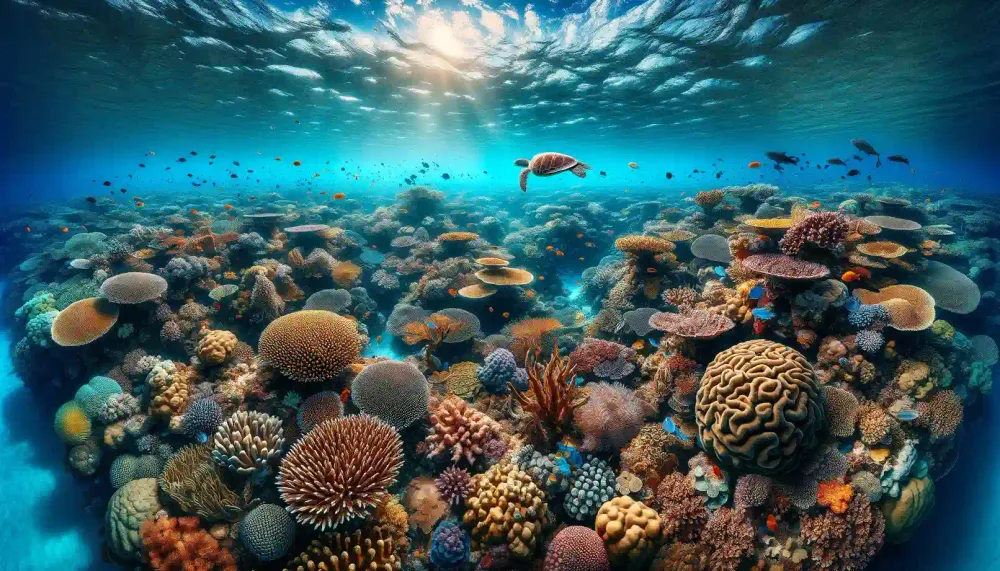
What Vanua Levu offers, in exchange for the small extra effort of a domestic flight or an overnight ferry, is remarkable. The Namena Marine Reserve, accessed by fast boat from Savusavu, is one of the Pacific’s outstanding marine protected areas — a submerged ridge system in the Koro Sea where soft coral gardens, hammerhead sharks, and schooling pelagics exist in conditions that the reefs of Viti Levu’s resort coast can no longer replicate. The town of Savusavu itself is a genuine community — a working harbour with a marina full of long-distance sailing yachts, geothermal hot springs bubbling up beside the main road, vanilla plantations in the valley behind town, and a resident population of sailors, retirees, and long-term expatriates who chose this place deliberately and live in it accordingly. Labasa, the island’s commercial centre on the northern coast, is something else entirely: an authentic Indo-Fijian market town surrounded by sugarcane country, not built for visitors and all the more interesting for it. And beyond both towns lies the Natewa Peninsula — Fiji’s largest peninsula, forested, remote, and effectively unvisited.
For a particular kind of traveller, Vanua Levu is the best thing in Fiji. Not the easiest, not the most polished, not the most photographed. But an island with enough variety, enough natural quality, and enough genuine life in its towns and communities to sustain a week or more of serious exploration without the feeling that you are moving through a landscape constructed for your benefit. The domestic flight from Nadi takes 45 minutes. It is one of the better 45-minute investments in the Fijian archipelago.
Overview and Geography
Vanua Levu is a large, irregularly shaped island running roughly north-west to south-east, about 180 kilometres long and between 30 and 50 kilometres wide in most places. The interior is mountainous — peaks rise to over 1,000 metres in the central ranges — and heavily forested in the wetter south and east, transitioning to drier, more open country in the north and west. Two river systems drain the northern plains, creating the agricultural flatlands around Labasa where sugar cane has been grown for generations.
The island divides naturally into four areas for the purposes of travel planning. Savusavu, on the southern coast, is the tourist and expat hub: a small town built around a deep, sheltered bay with a marina, decent infrastructure, and access to the Koro Sea diving. Labasa, on the northern coast roughly 100 kilometres by road from Savusavu (or a short flight), is the commercial capital — a flat, workmanlike market town where the economy runs on sugar, retail, and agriculture, and where the population is predominantly Indo-Fijian. These two towns represent the island’s poles: Savusavu looks south to the ocean and the diving; Labasa looks north across the cane fields and is getting on with the business of ordinary Fijian life.
The Natewa Peninsula extends south-east from the main body of the island — a massive, forested finger of land that is effectively its own geography, with its own villages and its own pace. The road around the peninsula is unsealed and rough in sections, and it sees almost no tourist traffic. For travellers with time, a 4WD, and a genuine appetite for remoteness, the Natewa Peninsula represents Fiji’s equivalent of going properly off-grid. Finally, the interior highlands — the mountainous central spine that separates Savusavu’s southern coast from Labasa’s northern plains — are dense rainforest and cloud forest, largely uninhabited except for a few traditional villages, and home to endemic birdlife that draws serious birdwatchers from considerable distances.
Getting There
By air is the most practical route for most visitors, and the one that makes Vanua Levu genuinely accessible without requiring expedition-level logistics. Fiji Link — Fiji Airways’ domestic subsidiary — operates regular scheduled flights connecting both of Vanua Levu’s main airports to the rest of the country.
Savusavu Airport is served by Fiji Link flights from Nadi (approximately 45 minutes, typically four to five departures weekly, sometimes more in peak season) and from Suva’s Nausori Airport (approximately 25–30 minutes, similarly regular). Return fares from Nadi typically range from FJD $280–$450 per person depending on season and how far in advance you book. The aircraft on these routes are ATR 72 turboprops with seating for around 70 passengers — they are not large, seats fill up, and popular dates in the dry season peak (June through August) book out weeks in advance. Book early. The airport is a few kilometres outside Savusavu town; taxis are available at arrivals and the fare into town runs around FJD $10–$15.
Labasa Airport is served by Fiji Link flights from Suva and occasionally from Nadi, though the Suva–Labasa route is the more reliable connection. If you are planning to start your Vanua Levu trip from the northern side of the island, or to combine Suva with a Labasa visit, this is the relevant option. Flying into Labasa and driving south to Savusavu (approximately two hours on a mostly sealed road) is an entirely viable approach that gives you a sense of the whole island from the start.
By ferry is slower, cheaper, and considerably more atmospheric. Patterson Brothers Shipping operates an overnight passenger and vehicle ferry service from Natovi — on Viti Levu’s northern coast, roughly 90 minutes north of Suva — to Savusavu. The crossing takes approximately 12–14 hours, typically departing in the late afternoon and arriving in Savusavu in the early morning hours. The fare for a basic cabin berth runs around FJD $120–$150 per person; deck class is cheaper. The vessel carries a mix of islanders returning home, traders, vehicles, cargo, and the occasional traveller who sought the ferry out specifically for the experience of crossing the Koro Sea overnight on a working ship. It is not a luxury crossing — bring food and water regardless of your class booking, as onboard catering is limited and unreliable — but the experience of watching Viti Levu disappear behind you and waking up to Vanua Levu’s hills coming out of the morning haze is genuinely memorable. For travellers who have the time and appetite for it, arriving by sea on a working ferry is the right way to arrive on an island that rewards that kind of engagement.
Getting Around Vanua Levu
Hire car is the best option for anyone who wants to explore the island meaningfully, and it transforms what is possible during your stay. The main road between Savusavu and Labasa (roughly 100 kilometres, taking about two hours) is sealed and in reasonable condition throughout. Roads along the southern coast east and west of Savusavu are generally manageable in a regular vehicle for the first 30–40 kilometres, after which they become progressively rougher and less maintained. For the Natewa Peninsula, a 4WD is not optional — it is required, and even then you should have a realistic understanding of how remote you will be if you get a puncture or a mechanical problem on a back road with no phone signal.
Car hire in Savusavu operates through a small number of local operators — the market is informal by Nadi standards, and the easiest approach is to ask at your accommodation for current recommendations. Expect to pay around FJD $120–$180 per day for a standard vehicle, more for a 4WD. Fuel is available in Savusavu and Labasa; outside those towns, plan accordingly. An international driving permit is technically required alongside your home licence, though enforcement varies.
Local buses exist on the main routes between Savusavu and Labasa and along the coastal roads, and they are cheap and used by locals for everyday travel. They are not, however, frequent — services on secondary routes can run once or twice a day in each direction — and they operate on timetables that require patience and flexibility to work around. For travellers without a hire car who want to reach a specific destination outside town by a specific time, buses are unreliable. For travellers with time and an interest in how ordinary people get around Vanua Levu, a local bus journey is a perfectly good way to spend a morning.
Taxis are available in both Savusavu and Labasa and are the practical solution for shorter trips and airport transfers. Drivers in Savusavu are generally familiar with the main tourist destinations — vanilla plantations, waterfalls, dive operators, resorts along the coast — and rates for longer journeys are negotiable. Ask your accommodation to recommend a reliable driver if you plan to use taxis for day trips rather than just transfers.
Boat transport connects Savusavu to several of the smaller islands and resorts in the bay, and the marina operators can arrange water taxis for various purposes. If you are staying at Savasi Island Resort, boat transfer is the only way in and out.
Savusavu
Savusavu is covered in full in a dedicated guide on this site, but any complete account of Vanua Levu requires at least a working summary of the island’s main visitor hub. The town sits at the head of a long, sheltered bay on the southern coast, flanked by steep green hills, with a waterfront that manages to be simultaneously working and charming. The Copra Shed Marina — originally exactly what its name suggests, the facility where copra was dried and bagged for export — is now the social and commercial centre of the waterfront, housing restaurants, a dive operator, boat charter services, and a marina pontoon occupied by a rotating population of long-distance sailing yachts from all over the Pacific.
The geothermal hot springs along the foreshore are Savusavu’s most immediately distinctive feature: superheated water seeps up through the ground at several points along the main road, reaching temperatures around 95°C. Locals use the springs to cook root vegetables. The steam rising from the waterfront beside moored sailboats is an image that requires no additional embellishment.
For divers, the proximity to the Namena Marine Reserve is the defining fact about Savusavu’s location — the reserve, roughly 35 kilometres south into the Koro Sea, is accessible as a day trip by fast boat and represents world-class diving that would be a destination in its own right. The broader Koro Sea reefs around Savusavu also offer consistently good diving: healthier reef systems, denser marine life populations, and better visibility than the heavily trafficked reefs off Viti Levu’s resort coast.
Savusavu’s appeal extends well beyond diving. The expat and sailing community that has accumulated here over decades gives the place an unusual social density for its size — an international cast of long-term residents, visiting sailors, and travellers who came for a few nights and stayed for months. The produce market, the Planters Club bar (a surviving piece of colonial Fiji that is as original as anywhere in the country), the vanilla plantations in the valley behind town, the hiking above the bay — these are a full travel programme in themselves.
Resorts in and around Savusavu range from Fiji’s most acclaimed ultra-luxury property (Namale Resort & Spa, adults-only, all-inclusive, from around FJD $3,000 per night) to the well-regarded Jean-Michel Cousteau Resort (mid-to-high luxury with a genuine conservation focus and an exceptional children’s programme, from around FJD $1,500 per night), and down through Koro Sun Resort (solid mid-range, from FJD $500 per night), Savasi Island Resort (intimate, private island, adults-focused, from FJD $1,200 per night), Daku Resort (the budget and diving community favourite, from FJD $150 per night), and the simple, functional Hot Springs Hotel in town itself (from around FJD $100 per night).
Labasa
Labasa is Vanua Levu’s largest town by population and its commercial capital, sitting on the northern coast on the flat agricultural plains that feed the island’s sugar industry. It is not a tourist destination. There are no dive operators, no marina, no expat café scene. The streets are functional, the buildings are utilitarian, the traffic is local, and the people you encounter are going about the actual business of daily life in a provincial Fijian town rather than servicing the needs of visitors. This is an honest description, not a criticism — and for the right traveller, it makes Labasa one of the more interesting places to spend a day or two in the Fijian archipelago.
The population of Labasa is predominantly Indo-Fijian — descended from the indentured labourers brought from India by British colonists to work the cane fields from the 1870s onwards — and the town reflects that heritage visibly. Hindu temples line the main road. Indian restaurants serve curry, roti, and dhal at prices that feel like a different economy from Savusavu’s marina restaurants. The market is genuinely local. The background sounds are Fiji Hindi and Fijian in roughly equal measure. Wandering the main commercial streets of Labasa for a morning — the market, the hardware stores, the fabric shops, the small cafés — is as direct an encounter with un-staged Indo-Fijian life as you are likely to find anywhere in the country.
Labasa’s Indian restaurants are a genuine draw for food-conscious travellers. A curry lunch — a full plate with dhal, vegetable and meat curry, rice, and roti — costs FJD $8–$15 at most of the market-area restaurants, and the cooking is the real thing: proper spicing, fresh ingredients, and the kind of food that the people eating at the next table grew up with. The contrast with the resort-track Indian food available on Viti Levu is significant.
The Wasali Nature Reserve, a few kilometres from Labasa, protects a section of the island’s interior forest and is home to endemic bird species including the Fiji goshawk and several endemic parrots. It is not heavily managed or heavily visited — a rough track leads into the reserve and self-guided walking is possible, though a local guide improves the birding experience considerably.
Accommodation in Labasa is simple and practical rather than memorable. Grand Eastern Hotel is the main option in town — a functional, reasonably clean hotel that provides a bed, a meal, and a base for exploring the northern part of the island. Rates run around FJD $90–$150 per night. It is not a destination in itself but it serves its purpose adequately for travellers who want to use Labasa as a base.
The honest advice about Labasa: come for a day trip from Savusavu, or spend one or two nights if you are genuinely interested in the northern cane-growing country, the Indo-Fijian cultural dimension, or the Wasali Reserve birds. It adds a layer of understanding of Vanua Levu that staying entirely in the Savusavu orbit does not. But plan it as part of a broader Vanua Levu itinerary rather than as a destination in itself.
Diving and Marine Life
Vanua Levu’s primary draw for serious divers is Namena Marine Reserve, and the superlatives attached to it are warranted rather than promotional. The reserve was established in 2005 and covers a submerged ridge system roughly 35 kilometres south of Savusavu in the Koro Sea. The ridge creates conditions — strong, nutrient-rich currents flowing over complex topography — that support marine biodiversity of a quality that Fiji’s better-known dive sites struggle to match. Dense soft coral gardens in colours that don’t seem possible above water. Aggregations of pelagic species: hammerhead sharks working the blue water above the ridge, grey reef sharks patrolling the walls, silvertip sharks at the deeper sections, eagle rays cruising the mid-water column. Schools of barracuda so large they block the light at certain sites. The reef fish populations — anthias, fusiliers, Moorish idols, Napoleon wrasse — in the densities that indicate a healthy, functioning ecosystem rather than one that has been progressively fished out.
A permit is required to dive in Namena — the fee goes directly to conservation management — and access is by fast boat from Savusavu, a journey of 45 minutes to an hour. A full day at Namena typically involves two or three dives, with surface intervals on the boat or on the small sandbar at the reserve’s northern end. The diving at some of the reserve’s best sites involves current and requires drift-diving experience; this is not a destination for newly certified divers on their first ocean dives. For those with the experience to manage it, a day at Namena is the kind of diving that changes the benchmark against which you measure everything else. Expect to pay FJD $380–$480 per person for a full Namena day including permit, boat, and two to three dives.
The main dive operators based in Savusavu are Dive Savusavu, operating from the Copra Shed Marina, and the in-house dive operation at Jean-Michel Cousteau Resort. Dive Savusavu runs regular trips to both local bay sites (shallower, gentler diving suitable for less experienced divers and for those who want multiple days in the water without the intensity of a Namena expedition) and to the reserve itself. Two-tank dives to local bay sites run around FJD $250–$320; Namena days are priced higher due to the boat time and permit costs.
The broader Koro Sea diving — the reefs in the stretch of ocean between Vanua Levu and the Lomaiviti Group — offers additional dive sites that most operators include in their regular rotations. The reef quality throughout this area is consistently better than in the heavily trafficked waters around the Mamanucas, and the dive experience reflects that: more fish, healthier coral, fewer other divers.
Dolphins are a regular feature of the boat crossing to Namena and throughout Savusavu Bay. Spinner dolphins and bottlenose dolphins are both resident in these waters, and bow-riding encounters during the fast-boat crossing to the reserve are common enough to be reliably expected rather than hoped for. Manta rays appear seasonally, following the planktonic blooms that the wet season rains stimulate in the Koro Sea; visits from November through April are more likely to produce manta encounters, though sightings are never guaranteed.
For snorkellers, Savusavu Bay’s shallower reefs are accessible and rewarding — not in the same league as the deeper Koro Sea sites, but genuinely interesting water with good visibility and resident reef fish populations. Snorkellers can join the Namena boat trips and access some of the shallower sections of the reserve, though the best of Namena is below recreational snorkelling depth.
The Natewa Peninsula
The Natewa Peninsula extends south-east from the main body of Vanua Levu in a long forested arc, forming what is — by a considerable margin — Fiji’s largest peninsula. Almost no tourist infrastructure exists here. The road around the peninsula’s perimeter is unsealed, rough in sections, and in places requires the kind of slow, 4WD progress that makes a 50-kilometre journey a three-hour undertaking. The villages along the coast are traditional, largely subsistence-oriented, and connected to the wider island primarily by the road and by small boats. It is the kind of place where you will not see another hire car all day.
For travellers with the right equipment, the time, and a genuine appetite for the remote and unstructured, the Natewa Peninsula is extraordinary. The forest on the peninsula’s interior ridges is some of the best-preserved tropical rainforest on the island, and the coastal views — looking south over the Koro Sea, with no development visible in any direction — are the kind that take a moment to process when you first encounter them. Traditional Fijian villages along the peninsula’s coast are welcoming to visitors who approach respectfully and with the proper protocol (presenting sevusevu — a small offering of kava root — is the correct introduction). Do not arrive unannounced expecting a guided experience; do arrive with kava, with time, and with genuine respect for the community’s pace, and you will almost certainly be received warmly.
Accommodation on the peninsula is minimal. A small number of simple guesthouses and homestay arrangements exist in the peninsula’s villages, typically organised informally through local contacts. This is not the place for structured bookings or backup options — it is genuinely remote, and the traveller who goes there needs to be comfortable with that. The reward for being comfortable with it is a kind of Fijian travel experience that is essentially impossible to find on Viti Levu: a landscape that is not aware of you, a community that is not oriented around you, and a degree of solitude and natural quality that is becoming increasingly rare anywhere in the Pacific.
If you are visiting Vanua Levu primarily to see the Natewa Peninsula, allow at least three days for the peninsula itself and approach the logistics through your accommodation in Savusavu, who will have current information on road conditions and accommodation possibilities.
Where to Stay
Vanua Levu’s accommodation landscape is more varied than its relatively low visitor numbers might suggest, though the main concentration of quality options is naturally around Savusavu.
Namale Resort & Spa is by most reasonable measures the finest resort property in Fiji — all-inclusive, adults-only, set on a clifftop east of Savusavu with a private beach, rainforest, waterfalls, and volcanic hot springs on the property. The spa is widely considered Fiji’s best. Accommodation is in private bures and villas spread through the grounds; the design is ambitious and the maintenance exceptional. Rates from around FJD $3,000–$5,000+ per night per couple, all-inclusive. A very specific offering for a very specific guest, but for that guest, genuinely extraordinary.
Jean-Michel Cousteau Resort combines mid-to-high luxury with a legitimate environmental and conservation ethos — the resort has been operating on its Savusavu bay property for decades and has built a reputation beyond its marketing. The dive programme is exceptional. The Bula Club children’s programme is frequently cited as the best in the Pacific, making the Cousteau an unusual resort in that it works equally well for couples focused on marine conservation diving and for families who want their children genuinely engaged. Rates from around FJD $1,500–$2,500 per night, with a full-board and activities structure.
Koro Sun Resort offers solid mid-range quality with a lagoon setting, good bures, and a diving focus that makes it a practical base for guests primarily here for the Koro Sea reefs. Rates from around FJD $500–$900 per night — good value relative to the experience it offers.
Savasi Island Resort occupies its own small island in Savusavu Bay and is oriented entirely towards adults seeking privacy and quiet. The property is intimate, with private outdoor baths drawing from the geothermal system and a deliberate absence of organised activities. Rates from around FJD $1,200–$2,000 per night. For couples who want seclusion rather than a programme, it is the right choice.
Daku Resort is the long-established favourite for budget-conscious travellers, divers, and the sailing community. Simple bures, a social pool and bar, good information about diving and local activities, and a genuine lack of pretension that makes it feel more like a community than a resort. Rates from around FJD $150–$280 per night. The best value in Savusavu and the right base for multiple dive days.
Hot Springs Hotel in Savusavu town is the most central option — functional, clean, and within walking distance of the market, marina, and waterfront. Rates from around FJD $100–$180 per night. It does exactly what it needs to and nothing more, which is sometimes precisely what a trip requires.
For Labasa, the Grand Eastern Hotel is the main option: adequate rather than good, priced at around FJD $90–$150 per night, but perfectly functional for one or two nights exploring the northern part of the island.
Food and Drink
Savusavu’s dining scene is limited in volume but generally honest in quality. The Copra Shed Marina restaurants are the reliable centre — the location overlooking the marina and the bay does considerable work for whatever is on the plate, and the better places (Surf & Turf Café being the most consistent performer over recent years) make genuine use of locally available fish and produce. Mains at the marina restaurants run FJD $28–$55. The setting at dusk, with the sailing yachts in the marina lighting up and the hills across the bay going dark, is the best dining atmosphere in Savusavu.
The Planters Club is a piece of colonial Fiji that has survived, against all probability, intact. The weathered timber building dates from the era when Vanua Levu’s European planters gathered here as a social club, and it has drifted gently into its current incarnation as a public bar and restaurant without losing much of its original character. The food is simple. The atmosphere — locals, expats, and visitors mixing in an entirely unstaged way in a room that has been hosting that same mix for over a century — is unrepeatable and worth experiencing for what it is regardless of the menu.
The local cafés along Savusavu’s main street serve Fijian and Indo-Fijian food at prices considerably more accessible than the marina: a curry lunch — dhal, roti, vegetable and meat curry — runs FJD $8–$15 and is typically good. The produce market is the place to buy fresh fruit and vegetables at local prices: mangoes, pawpaw, pineapple, and whatever is in seasonal peak form. Fresh vanilla beans are available to buy in Savusavu, often directly from the growers, and represent one of the better quality souvenirs available anywhere in Fiji.
In Labasa, the Indian restaurant scene is the main food story and it is genuinely good. The curry houses around the market area serve authentic Indo-Fijian cooking at prices that feel almost incongruously cheap: a full lunch plate with multiple curries, dhal, rice, and roti for FJD $8–$12 is standard. If you are visiting Labasa, eat here — it is some of the best-value food in Fiji and some of the most authentic in terms of what it represents culturally.
The resort restaurants at Namale and Jean-Michel Cousteau are the peak of Vanua Levu’s dining, primarily for their own guests. The Cousteau restaurant can occasionally accommodate outside diners with advance reservation and is worth asking about if you are staying elsewhere and want one exceptional meal during your stay.
Activities
Diving and snorkelling are covered in detail above and represent the primary draw for most visitors to Vanua Levu. Beyond the underwater world, the island offers a range of activities that reward the traveller willing to seek them out.
Vanilla plantation tours near Savusavu are one of the island’s most distinctive experiences and one that most visitors miss. The Savusavu region is one of Fiji’s primary vanilla-growing areas, and several small plantation operations offer tours through the cultivation and curing process. Vanilla cultivation is extraordinarily labour-intensive — the flowers require individual hand-pollination, and the curing process for the harvested beans takes months of careful handling — and a tour of a working plantation provides a genuine insight into where this product comes from before it reaches the rest of the world. Ask at the Copra Shed Marina or at your accommodation for current plantation tour operators; the industry is small, the tours are not heavily marketed, and the best contacts change seasonally.
Kayaking and stand-up paddleboarding in Savusavu Bay are available through most resort properties and through the marina. The bay is sheltered, visually interesting, and calm enough in the mornings for comfortable paddling. Morning paddles before the afternoon sea breeze picks up are the standard recommendation — the light on the hills in the early morning hours is worth the early start.
Sailing in the Savusavu region is a serious proposition. The Copra Shed Marina can facilitate charter arrangements for day trips and multi-day passages, and several of the liveaboard yachts based at the marina take on passage crew for journeys around the Fijian archipelago. For sailors or aspiring sailors, this is one of the few places in Fiji where it is genuinely possible to get aboard a working blue-water passage boat rather than a commercial charter vessel.
Fishing off Vanua Levu’s coast is productive and available by charter from the Savusavu marina. Big-game trolling in Koro Sea waters — tuna, wahoo, mahi-mahi — is the main proposition; the fish populations in these less-trafficked waters are healthier than in the areas immediately around Viti Levu’s resort corridor. Half-day and full-day charters are available; pricing varies by vessel and group size.
Hiking in the hills above Savusavu rewards effort with genuine views. The hills that ring the bay are steep, densely vegetated, and rise quickly to ridge lines with open views south over the Koro Sea and north into the island’s interior. There are no formal marked trails; locally guided walks are the practical approach and can be arranged through resort properties or through contacts at the marina. The hiking around Labasa into the Wasali Reserve, and any walking in the Natewa Peninsula, requires local knowledge and a guide.
Village visits are possible throughout Vanua Levu in a way that is more genuine and less structured than on Viti Levu. The proper protocol — arriving with sevusevu, showing respect for the chief’s authority, asking before photographing — applies everywhere, and following it correctly almost always results in a genuinely warm reception. Several tour operators in Savusavu run organised village visits, which handle the protocol logistics for visitors unfamiliar with Fijian custom; independent visits to villages along the Natewa Peninsula are more adventurous but require proportionally more care and preparation.
Planning Tips
How long to spend: Three nights is the minimum meaningful stay in Savusavu, allowing for one orientation day (town, hot springs, market, marina), one full day on the water, and one day for a land-based activity. Five nights is the better option — it allows multiple dive days, a vanilla plantation visit, a proper hike, and the kind of purposeless afternoon at the marina that is genuinely the best use of time here. For a full Vanua Levu experience including Labasa and the Natewa Peninsula, allow seven to ten days on the island.
Best time to visit: The dry season from May through October offers the most reliable weather, the calmest sea states, and the best diving visibility at Namena. June through August is peak season — book flights and accommodation well in advance, as the aircraft are small and the better Savusavu resorts fill up. The wet season from November through April brings more rain, higher humidity, and genuine cyclone risk (Vanua Levu is not beyond cyclone paths, though direct hits are not common). The wet season also brings manta ray activity in the Koro Sea, reduced accommodation rates (often 20–40 per cent lower), and a greener, more lush version of the island. The wet season is a legitimate time to visit for the right traveller — diving remains broadly excellent — but cyclone season risk is real and comprehensive travel insurance is non-negotiable.
Combining with Taveuni: Savusavu and Taveuni are natural travel companions. Taveuni — Fiji’s third-largest island, known as the Garden Island for its exceptional tropical vegetation, and home to the Rainbow Reef and the Great White Wall dive site — is approximately one hour from Savusavu by Fiji Link domestic flight or by ferry. The two islands are entirely different in character — Savusavu’s town and marina world versus Taveuni’s rainforest and reef — and the combination in a single itinerary, with three to five nights in each place, gives you a two-island Vanua Levu experience of considerable depth. Allow enough time in both places to actually settle in rather than arriving, sightseeing, and leaving.
Who Vanua Levu suits best: Divers with the experience for Namena are the obvious primary audience, but that framing undersells the island. Vanua Levu is also the right destination for sailors and people who enjoy marina culture; for travellers who are genuinely interested in non-resort Fiji rather than experiencing a beautiful version of somewhere else; for those who want to understand the Indo-Fijian dimensions of Fijian culture (Labasa makes this accessible in a way that no amount of time at Denarau does); and for anyone who finds that an unhurried place with real community life and minimal tourist infrastructure produces better travel than an optimised resort experience. It is not the destination for travellers who require consistent luxury service, predictable dining options, or a roster of organised entertainment. Vanua Levu gives back in proportion to the interest and flexibility the traveller brings to it.
Practical notes: ATMs are available in Savusavu and Labasa. Mobile coverage on Vodafone and Digicel is reasonable in both towns and along the main connecting road, degrading quickly in rural and inland areas. Cash is essential outside of the main towns and the marina-area businesses in Savusavu. The time difference from Nadi is zero — Vanua Levu is on the same time zone as the rest of Fiji.
Final Thoughts
Vanua Levu is not a secret — the people who know Fiji well know about it — but it remains genuinely overlooked by the mainstream tourism machine, and this oversight is the source of much of its value. The Namena Marine Reserve exists in the condition it does partly because the diving community that uses it cares about its conservation, and partly because the island’s relative inaccessibility has insulated it from the volume that the more visited Fijian dive sites endure. The Savusavu marina community exists in its form partly because a working harbour on a large, imperfectly known island attracts a certain quality of traveller and long-term resident rather than the volume-market visitor. Labasa is what it is — a real town doing real things — precisely because no one has invested in converting it into something more comfortable for outsiders.
All of this can change over time, and parts of it are already changing. The domestic flight connections are good, the better resorts around Savusavu are internationally known, and Vanua Levu appears more regularly on high-end itinerary lists than it did a decade ago. But the island’s size, its relative complexity, and its lack of a single iconic resort-island hook means that the transformation that has occurred on Viti Levu’s resort corridor is some distance away on Vanua Levu. The island is still predominantly itself. The 45-minute domestic flight from Nadi deposits you into a different version of Fiji from the one most visitors see: larger, wilder, less polished, more genuinely inhabited, and — for the traveller who is looking for exactly that — more rewarding than almost anywhere else in the archipelago.
Frequently Asked Questions
How do I get from Nadi to Vanua Levu?
The most straightforward route is a Fiji Link domestic flight from Nadi to Savusavu Airport — approximately 45 minutes, with regular services throughout the week. Return fares typically range from FJD $280–$450 per person depending on season and advance booking. Book as early as possible, as the aircraft are small (ATR 72 turboprops) and popular dates in peak season fill up weeks ahead. You can also fly into Labasa Airport from Suva’s Nausori Airport for access to the northern side of the island. The alternative to flying is the Patterson Brothers overnight ferry from Natovi (90 minutes north of Suva) to Savusavu — a 12–14 hour crossing that is a genuine adventure but not a luxury experience. Bring food and water for the ferry regardless of your class booking.
What is the best time to visit Vanua Levu?
The dry season from May through October is the optimal period for most visitors — reliable weather, calm sea conditions, and the best visibility for diving at Namena Marine Reserve. June through August is peak season; advance booking of flights and accommodation is essential, particularly at the better Savusavu resorts. The wet season from November through April brings more rain, higher temperatures, and genuine cyclone risk, but diving remains broadly excellent, accommodation rates drop by 20–40 per cent, and manta ray encounters in the Koro Sea are more likely during this period. Vanua Levu operates year-round with no true off-season, but wet-season travel requires cyclone awareness and comprehensive travel insurance.
Is a 4WD necessary on Vanua Levu?
It depends entirely on what you plan to do. The main sealed road between Savusavu and Labasa is manageable in a standard vehicle. Roads along the coast east and west of Savusavu are generally fine for the first 30–40 kilometres from town before they deteriorate. For exploring the Natewa Peninsula or for any serious off-road driving into the island’s interior, a 4WD is not optional — it is genuinely required, and even with a 4WD, the remoteness of some routes means you should carry tools, a spare tyre, and water. If you plan to stay in and around Savusavu and make day trips along accessible roads, a standard hire car is adequate.
What makes Namena Marine Reserve worth the extra cost?
Namena Marine Reserve is a marine protected area approximately 35 kilometres south of Savusavu in the Koro Sea, established in 2005 and covering a submerged ridge system that creates exceptional conditions for marine life. The diving quality — dense soft coral gardens, aggregations of hammerhead and grey reef sharks, eagle rays, enormous schools of pelagic fish, and coral health that reflects genuine long-term protection — consistently ranks among the finest in the Pacific. A full Namena day (boat, permit, two to three dives) costs approximately FJD $380–$480 per person. For divers with sufficient experience (drift-diving capability is useful for the best sites), it is unambiguously worth it. Non-divers can join the boat trip and snorkel the shallower areas of the reserve, though the most spectacular sections are at depth.
Is Labasa worth visiting?
Labasa is worth visiting if you are genuinely interested in the non-touristy, Indo-Fijian dimension of Fijian life, and it is honest to say it has limited appeal for visitors who are primarily looking for beaches, diving, and resort experiences. The town is a real, functioning commercial centre — predominantly Indo-Fijian in character — with good Indian restaurants, an active market, and the Wasali Nature Reserve on its outskirts. A day trip from Savusavu (roughly two hours each way by road, passing through interesting agricultural country) is enough for most visitors; one or two nights allows for a more thorough exploration of the northern part of the island. Approach Labasa with curiosity about what ordinary Fijian town life looks like away from the resort belt, and it is a genuinely interesting experience.
Can I visit Vanua Levu without diving?
Yes — and while diving is the primary draw for many visitors, the island offers substantial appeal beyond the underwater world. Savusavu town itself — the marina, the hot springs, the produce market, the Planters Club, the sailing community — is a rewarding destination for anyone who appreciates a genuine, functioning place with an interesting social atmosphere. Vanilla plantation tours, hiking in the hills above the bay, kayaking in the bay, village visits, and exploring the coast by hire car are all available and interesting. The Natewa Peninsula, for travellers seeking genuine remoteness, has nothing to do with diving. And Labasa’s cultural interest is entirely land-based. That said, if you have no interest in any water-based activities and are looking primarily for beach resorts and water sports, the Mamanucas and Yasawas serve that interest more directly. Vanua Levu’s particular rewards are most fully available to travellers who are interested in more than one dimension of a place.
How do I combine Vanua Levu with Taveuni?
The most practical combination is to treat Savusavu and Taveuni as a two-island itinerary within a longer Fiji trip. Fiji Link flies the Savusavu–Taveuni route (approximately one hour), and there is also a ferry connection for those who prefer the sea crossing. Three to five nights in each location is the recommended allocation — less than three nights in either place is insufficient to do more than arrive, look around, and leave. The two islands offer genuinely different experiences: Savusavu’s town-and-marina-and-diving world versus Taveuni’s dense tropical vegetation, waterfalls in the Bouma National Heritage Park, and the famous Rainbow Reef. Starting or ending your Vanua Levu itinerary in Savusavu and combining it with Taveuni, then returning to Nadi via domestic flight, is one of the more rewarding Fiji itinerary combinations available for travellers willing to move beyond the Viti Levu resort corridor.
What type of traveller is Vanua Levu best suited to?
Vanua Levu suits travellers who want more from Fiji than a beautiful resort setting — people who are interested in the island itself as well as the experience of being on it. The most satisfied visitors tend to be experienced divers seeking world-class diving without large crowds; sailors and people drawn to marina culture; independent travellers who enjoy unhurried towns, local markets, and genuine community life; travellers with a cultural curiosity about Indo-Fijian Fiji; and anyone who finds that imperfect, unpolished places with real character produce more memorable travel than optimised, purpose-built ones. Vanua Levu is less well-suited to travellers who require consistent luxury service at every point, predictable dining options, or a resort environment where every detail is managed. It gives back generously in proportion to the openness and flexibility the traveller brings to it.
By: Sarika Nand