Published
- 17 min read
Best Snorkelling in the Mamanuca Islands
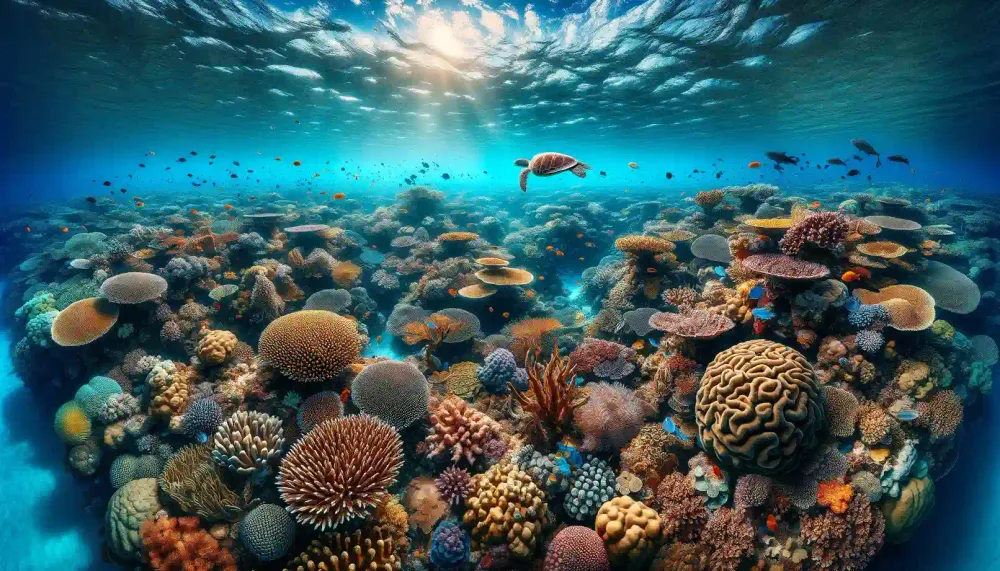
The Mamanuca Islands begin roughly 25 kilometres west of Nadi, scattered across a shallow, reef-studded stretch of the Coral Sea that functions, for most visitors, as the defining image of Fiji. These are the islands of the resort brochures and the day-cruise advertisements — the postcard white sand, the palms, the improbably turquoise water. What the images rarely convey is that beneath that turquoise water, often just metres from the beach or a short boat ride away, there are reefs that reward exploration at every level of experience, from a first-time snorkeller peering through a hire mask to a seasoned observer who knows exactly what fish behaviour to watch for. The Mamanucas are not Fiji’s deepest or most remote reef system, but they are among its most accessible, and accessibility — the ability to slip off a beach into good snorkelling water without a dive qualification or a charter — is genuinely valuable.
The reefs here have a complicated recent history. Cyclone damage and coral bleaching events over the past two decades have affected parts of the Mamanuca reef system, and anyone who visited in the early 2000s and returns today will notice change. That said, the reefs are in active recovery, fish life across the islands remains abundant and diverse, and some sites — particularly those away from heavy boat traffic and concentrated resort development — remain in excellent health. Snorkelling in the Mamanucas in 2026 is not a second-rate experience. It requires some awareness of which sites to choose and when to go, but the rewards are consistently there.
South Sea Island
South Sea Island is the most visited snorkelling destination in the Mamanucas, and the volume of visitors is itself a testament to how reliably good it is. The island is small enough to walk around in ten minutes, which means the reef surrounds you — but the most consistently productive snorkelling is directly off the beach on the sheltered northern and western sides, where the coral begins within wading distance of the sand and extends into progressively deeper water.
This is genuinely one of the best beginner snorkelling sites in all of Fiji. The water is shallow, the entry is easy, and the reef is active enough that you don’t need to travel far from the beach to encounter fish. Parrotfish are a constant presence — the larger species in particular, their vivid blues and greens unmistakeable as they graze across the coral surface. Surgeonfish move in loose schools through the shallower sections of the reef, and patient observers will spot small whitetip reef sharks resting in the sandy channels between coral heads. They are well accustomed to snorkellers and pose no concern whatsoever; if anything, watching a reef shark from two metres away while floating on the surface is one of the more memorable things a Mamanuca snorkel can deliver.
South Sea Island is reached by day cruise from Port Denarau — South Sea Cruises operates regular departures and the crossing takes approximately 40 minutes. Day-trip pricing typically includes the boat transfer and basic snorkel gear hire; current rates are in the range of FJD $159 to $220 per adult (around AUD $111 to $154), depending on the cruise package and inclusions. If you are staying in Nadi and want straightforward access to good snorkelling without committing to a multi-day island stay, this is the most practical option available.
Treasure Island (Elevuka)
Treasure Island — known locally as Elevuka — is one of the Mamanucas’ most compact resort islands, and it has an attribute that makes it particularly appealing for snorkellers: coral rings the island almost entirely, and the majority of it is accessible directly from the beach without any need for a boat. You walk into the water, put your face in, and within a short distance you are over living reef.
The coral here features a solid mix of hard and soft species. Branching Acropora formations provide structure for smaller reef fish, while the softer coral assemblages in the slightly deeper sections support a different community of invertebrates and larger fish. The variety of coral growth forms on a single snorkel — table corals, branching corals, encrusting varieties, occasional large brain coral heads — makes this an interesting site visually even for snorkellers with a reef ecology interest rather than just a fish-spotting one. Clownfish and their host anemones are reliably found around the island, and the sheer consistency of coral cover across the fringing reef means that on almost any entry from the beach you will be over something worth looking at.
Treasure Island is a self-contained resort island, and day-visit arrangements are best confirmed directly with the resort in advance. If you are staying on the island, the beach-to-reef access is one of the better self-guided snorkelling situations in the Mamanucas.
Kuata Island
Kuata Island sits near the southern end of the Yasawa chain, at the border between the Yasawas proper and the northern Mamanucas, and it offers an encounter that sets it apart from every other snorkelling site in this region: reef sharks, in numbers, in shallow water, on a guided snorkelling tour conducted twice daily by the island’s operators.
Whitetip and blacktip reef sharks are year-round residents of the reef surrounding Kuata, and the shallow bays and reef passages around the island provide the kind of clear, structured viewing opportunities that most shark encounters in the wild don’t. This is not a scuba dive and it is not a specialised shark dive — it is a snorkel, in water typically between two and eight metres deep, with guides who know the shark movements and the reef geography well enough to put you in the right place at the right time. The sharks are unbothered by snorkellers who move calmly, and a session here can produce sustained views of multiple individual sharks in the kind of proximity that would be impossible to arrange in almost any other snorkelling context.
Guided shark snorkel tours at Kuata are typically offered as part of the island’s day-cruise product or for guests staying at the resort, and run twice daily depending on conditions. Day-cruise packages from Port Denarau to Kuata are available through several operators and represent the most practical option for visitors based in Nadi or the Denarau resort area. Current day-cruise pricing to Kuata ranges from approximately FJD $220 to $290 per adult (around AUD $154 to $203) for a full-day package including transfers and guided snorkel activity. The snorkelling here is exceptional even without the shark encounter — the reef health in this northern section of the Mamanuca-Yasawa border is among the best in the group — but the sharks are the reason to make this particular trip.
Monuriki Island
Monuriki is perhaps best known as the island where the film Cast Away was filmed in 2000, and it remains uninhabited, which is a practical advantage for snorkelling: no resort development means no boat traffic congestion, no churned-up sand from constant water activity, and a reef that isn’t competing with dozens of daily water sports operations. The main beach and the surrounding fringing reef offer snorkelling in conditions that feel noticeably less crowded and more natural than the busier day-trip islands.
Coral health around Monuriki is generally good, particularly on the sheltered sides of the island where wave action is reduced. The reef starts close to shore and extends into clear, calm water, and green sea turtles are a genuine possibility here — not guaranteed on every visit, but regular enough that guides often note turtle sightings in trip reports from this site. A patient snorkeller who takes their time rather than swimming fast through the reef has a reasonable chance of spending a prolonged period near a feeding or resting turtle, which is one of the most rewarding marine encounters the Mamanucas can offer.
Monuriki is accessible by day cruise; the island is within the operating range of several Mamanuca cruise operators departing from Port Denarau, and it is often included in multi-island day itineraries. If Monuriki is your specific goal, confirm the itinerary with your operator before booking — some day cruises include it as a stop, others focus on different islands.
Tokoriki Island
Tokoriki sits at the northern end of the main Mamanuca group, and its position gives it a characteristic that matters for snorkelling: the sheltered western and southern sides of the island face away from the prevailing ocean swell, producing calmer, clearer water conditions than you would find on more exposed sites during periods of wind or weather. When conditions elsewhere in the Mamanucas are less than ideal, Tokoriki’s sheltered aspect frequently means snorkelling is still comfortable here.
The house reef at Tokoriki’s main resort is accessible from the beach and is actively maintained as a snorkel zone. Guided snorkel trips are also available for guests, covering offshore sites that aren’t reachable without a boat. The guided option is worthwhile here — local guides know the specific reef sections with the best coral cover and can direct you to resident fish populations that a self-guided surface swim might miss entirely. Nudibranch species are frequently noted by guides at Tokoriki reef sites, and the diversity of invertebrate life on the reef walls is above average for the Mamanucas generally.
For visitors staying on the island, the combination of beach-access snorkelling and guided offshore trips covers the full range of what the local reef has to offer. For day visitors, Tokoriki is accessible by water taxi and ferry services operating from Port Denarau, though day-visit arrangements are best confirmed with the resort directly.
Glass-Bottom Boat and Snorkel Trips from Nadi
Not every reef in the Mamanucas is accessible from a beach. Some of the most productive snorkelling sites — offshore bommies, passages between islands, reef systems that sit in open water away from any inhabited island — are only reachable by boat. For visitors based in Nadi or at a Denarau resort who want to reach these sites without committing to an overnight island stay, South Sea Cruises and several other Port Denarau-based operators offer dedicated glass-bottom boat and snorkel tour products that target the offshore reefs directly.
These day tours typically depart Port Denarau in the morning and combine glass-bottom boat viewing — for those who prefer to stay dry, or for a preliminary survey of the reef before entering — with guided snorkel sessions at two or three sites over the course of the day. The glass-bottom boat component is genuinely useful as an orientation: watching the reef pass beneath you before you enter the water gives you a sense of the topography, the coral distribution, and the depth that makes a subsequent snorkel noticeably more productive. You know what you’re looking for and roughly where to find it.
Pricing for these combination products varies by operator and itinerary but is generally in the range of FJD $175 to $250 per adult (around AUD $123 to $175). Most include snorkel equipment hire, a light lunch or snacks, and transfers to and from the departure point. Booking in advance during peak season (June to August) is advisable, as departure numbers are limited and popular departures fill quickly.
Practical Tips for Mamanuca Snorkelling
Early morning is consistently the best time to snorkel in the Mamanucas. The water is typically calmer in the first two to three hours after sunrise before any afternoon wind builds, and visibility is at its clearest before wave activity and boat traffic disturb the surface sediment. If you have a choice of morning or afternoon, choose morning — the difference in conditions can be significant, particularly at the shallower beach-entry sites.
Reef-safe sunscreen is not optional in the Mamanucas — it is an environmental responsibility and, at many resorts and on many day-cruise operations, it is now enforced. Regular chemical sunscreens contain compounds that damage coral tissue, and in a reef system that is already in recovery from bleaching events, the cumulative effect of sunscreen use by large numbers of visitors is a documented problem. Mineral sunscreens (zinc oxide or titanium dioxide-based) are the safe alternative, and a full-coverage rashguard or wetsuit top is even more effective at blocking sun exposure while eliminating the sunscreen issue entirely.
Water shoes are worth packing for reef entries that cross shallow sections of live coral rubble before reaching deeper water. Some entries at otherwise excellent snorkel sites involve a short wade across shallow, irregular substrate, and bare feet on sharp coral rubble — or on the spines of an unnoticed sea urchin — is an avoidable complication that a pair of lightweight water shoes solves immediately.
Most resorts and day-cruise operations provide basic snorkel gear as part of their packages, and for a single trip the hire gear is functional. However, the fundamental limitation of hire equipment is mask fit: a mask that doesn’t seal correctly to your face will leak, fog, and need constant adjustment, which is distracting enough to meaningfully reduce the quality of the experience. Bringing your own mask — even if you use hire fins and snorkel — eliminates this problem. A well-fitting personal mask makes snorkelling comfortable rather than effortful, and the difference is particularly apparent on longer reef sessions. Fins, for their part, make a real difference for covering distance and positioning yourself over sections of reef without fighting a current; if you have fins that travel flat and pack easily, bring them.
Reef Health: What to Expect in 2026
The Mamanuca reef system has been through a difficult period. Back-to-back bleaching events linked to elevated sea surface temperatures, combined with physical damage from cyclones Winston (2016) and others, reduced coral cover on some sites significantly. The picture today is more nuanced than a simple “damaged” or “healthy” binary.
The northern Mamanucas and reef areas away from concentrated resort activity and high boat traffic are generally in better condition than sites closer to the main resort clusters. The reefs around Kuata, Monuriki, and some of the outer islands show better coral cover and structural complexity than those adjacent to the busiest resort islands. This is not universal — some highly visited sites like South Sea Island have maintained reasonable health through a combination of natural resilience and some degree of protection — but as a general principle, distance from heavy use correlates with better reef condition.
Recovery is actively ongoing. Young coral recruits are visible on reef sections that experienced significant bleaching, and the fish life across the Mamanucas remains abundant enough that even sites with partial coral cover are genuinely active and interesting places to snorkel. Managing expectations in advance is simply honest: the Mamanucas today are not the Mamanucas of 1995, and anyone who remembers reefs from that era will notice the change. But for first-time snorkellers, and for experienced snorkellers approaching the sites on their own terms, the Mamanucas in 2026 remain a worthwhile and rewarding destination.
The best conditions and the healthiest reef sections are found during the dry season, from May to October, when calmer weather, reduced runoff, and lower water temperatures create the clearest visibility and the least coral thermal stress. Year-round snorkelling is entirely possible — the Mamanucas are warm and generally calm even in the wet season — but if reef health and visibility are your priorities, the May to October window is when the conditions align most consistently.
Final Thoughts
The Mamanuca Islands offer something that many of Fiji’s more remote reef systems cannot: easy access. You don’t need a dive qualification, an overnight charter, or specialist knowledge to reach productive snorkelling water in the Mamanucas — a day trip from Port Denarau, or a few minutes’ walk from the beach of an island resort, puts you over active reef that can deliver parrotfish, surgeonfish, reef sharks, sea turtles, and a genuine cross-section of Indo-Pacific marine life. For first-time snorkellers, the Mamanucas are one of the most forgiving and rewarding introductions to reef snorkelling available anywhere in the Pacific. For experienced snorkellers, sites like Kuata’s shark reef and Monuriki’s turtle habitat offer encounters that are difficult to match without going considerably further afield.
The key to snorkelling the Mamanucas well is choosing your sites deliberately, snorkelling early in the morning when conditions are at their best, and going in with a realistic understanding of reef health — which is recovering, active, and genuinely beautiful in its current state, rather than the pristine pre-bleaching condition that some older travel accounts describe. The reef is there, the fish are there, and the experience is consistently available. The Mamanucas remain one of the most reliable places in Fiji to spend time in the water, and for most visitors, an afternoon or a full day on one of these reefs is among the highlights of a Fiji trip.
Frequently Asked Questions About Snorkelling in the Mamanuca Islands
Where is the best snorkelling in the Mamanuca Islands?
The best snorkelling in the Mamanucas depends on what you are looking for. South Sea Island offers the most accessible beginner-friendly reef, with easy beach entry and reliable sightings of parrotfish, surgeonfish, and small reef sharks. Kuata Island provides the most dramatic encounter — guided reef shark snorkel tours with whitetip and blacktip reef sharks in shallow water, twice daily. Monuriki Island is the best site for green sea turtle sightings, with good reef health around its uninhabited shoreline. Treasure Island (Elevuka) offers excellent coral variety accessible directly from the beach without a boat. For offshore reefs that aren’t accessible from any beach, a day-cruise snorkel trip from Port Denarau is the most practical option.
Do you need to be a strong swimmer to snorkel in the Mamanucas?
Basic swimming competence is required, but strong swimming ability is not necessary at most Mamanuca snorkel sites. The beach-entry sites at South Sea Island, Treasure Island, and Tokoriki are shallow, calm, and well-suited to beginners — you can stand up in the water near the entry points, and the conditions are generally protected from significant swell. Wearing fins makes a considerable difference for less confident swimmers, as fins allow you to move easily and maintain position without expending much effort. If you have any concern about your swimming ability, inform your resort or day-cruise operator before entering the water; most will assign a guide or provide a flotation device if needed.
What is the best time of year to snorkel in the Mamanuca Islands?
The best snorkelling conditions in the Mamanucas are found from May to October, during Fiji’s dry season. This period brings calmer seas, reduced rainfall and associated water turbidity, and the clearest visibility of the year — often 15 to 30 metres on well-positioned sites. Year-round snorkelling is possible, as the Mamanucas rarely experience conditions that make snorkelling impossible even in the wet season (November to April), but afternoon storms and wind chop during the wet months can reduce visibility and make surface conditions less comfortable. Within any given day, regardless of season, early morning offers the calmest water and the best visibility.
Can you see reef sharks snorkelling in the Mamanucas?
Yes, reef sharks are a genuine snorkelling encounter in the Mamanucas, not a rare exception. Whitetip and blacktip reef sharks are year-round residents of the reef system, and the most structured opportunity for close-up viewing is at Kuata Island, where guided reef shark snorkel tours run twice daily in shallow water. Small reef sharks are also regularly sighted at South Sea Island, particularly in the sandy channels between coral heads. Reef sharks encountered in this snorkelling context are well habituated to human presence and present no risk to snorkellers who move calmly and do not attempt to handle or corner them. A reef shark sighting at close range, from the surface on a snorkel, is one of the more memorable encounters the Mamanucas routinely deliver.
By: Sarika Nand