Published
- 24 min read
What Are the Best Islands to Visit in Fiji?
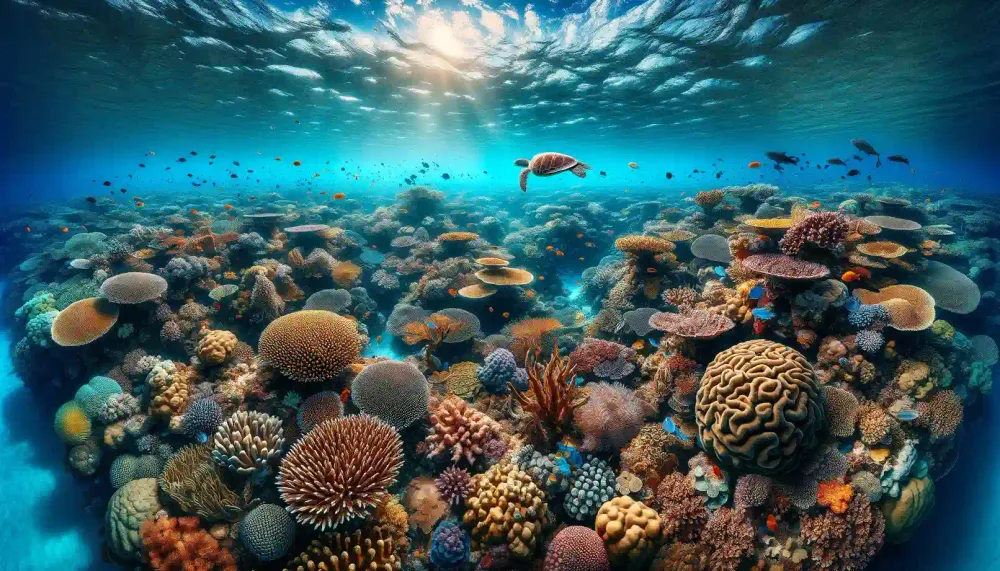
Mention “300 islands” to someone planning their first Fiji trip and you’ll watch their eyes go slightly glazed. Three hundred sounds overwhelming — like a menu with too many options, where you’re paralysed by choice and quietly worried you’ll pick the wrong one. The truth, once someone explains it properly, is considerably more manageable.
The vast majority of those 300-odd islands are uninhabited coral outcrops, sandbars, and tiny rocky formations that have never had a resort on them and never will. The islands that actually matter for travellers — the ones with accommodation, boat connections, activities, and communities — fall into a handful of clear geographic groups, and each group has a distinct personality, price point, and traveller profile. Once you understand the groups, the choice becomes much less daunting.
The second thing to understand is that there is no single “best” island in Fiji. The correct answer depends entirely on what you’re after. A backpacker who wants raw scenery, $30-a-night bure accommodation, and days spent snorkelling off volcanic cliffs has completely different needs from a couple who wants an overwater bungalow and chef-prepared meals. A family with young children at a full-service resort will get almost nothing from the same island that makes a diving obsessive’s heart sing. This guide is not a ranking — it’s a decision-making framework. Read through the groups, find your type, and let that tell you where to go.
The Main Island Groups: What You Need to Know First
Fiji’s accessible islands organise themselves into a rough hierarchy of accessibility, price, and remoteness. Here’s the broad orientation before we get into specifics.
Viti Levu is the main island — the one you almost certainly land on at Nadi International Airport. It’s large, has roads, towns, markets, and most of Fiji’s population. It’s not what people mean when they say “island hopping in Fiji,” but it holds some of Fiji’s best experiences and deserves more credit than it typically gets.
The Mamanuca Islands sit 20–45 minutes west of Port Denarau by high-speed catamaran. They’re the closest island group to Nadi, the most accessible, and the most developed. They represent the version of Fiji most people picture when they imagine a Fiji holiday — white sand beaches, turquoise water, small resorts on small islands. You can be on one of these islands within an hour of leaving your Nadi hotel.
The Yasawa Islands form a long volcanic chain stretching roughly 150km north from the Mamanucas. The journey by fast ferry takes anywhere from two to four hours depending on your destination island. They’re more rugged, less polished, considerably cheaper, and genuinely remote-feeling. The same catamaran operator (South Sea Cruises) services both chains, and many travellers hop between the two.
Vanua Levu is Fiji’s second-largest island, about an hour’s flight from Nadi or a very long ferry ride. It’s largely bypassed by mainstream tourism, which is precisely why the people who go there love it. The main hub is Savusavu, a working bay town with deep connections to the sailing community.
Taveuni sits north-east of Vanua Levu and is connected by a short domestic flight or ferry from Savusavu. It’s the wettest island in Fiji — and consequently the greenest, the most dramatically vegetated, and the home of Fiji’s most famous dive site.
The Lau Group is the most remote island group in Fiji, sitting out in the eastern Pacific and only reachable by live-aboard dive vessel or the occasional passenger ferry. It’s mentioned here for completeness — if you’re the kind of traveller drawn to truly off-grid Fiji, it exists and it’s extraordinary. For most people it’s not on the itinerary.
The further you go from Viti Levu, the more expensive and logistically involved it gets. This is the central tension in planning a Fiji trip: convenience versus immersion. The islands closest to Nadi are the easiest to reach but also the most resort-polished. The further you go, the more real and remote it becomes — but the more effort and cost is involved in getting there.
Viti Levu — For Culture, Adventure, and Budget Travel
Viti Levu is not what most people are thinking about when they plan a Fiji holiday, but ignoring it would be a mistake. The main island has things the outer islands simply cannot offer: scale, diversity, road-trip potential, and an authentic slice of everyday Fijian life that resort islands inevitably sanitise.
The Coral Coast stretches along Viti Levu’s southern shore between Nadi and Pacific Harbour, roughly 50–100km from the airport. It’s home to the Sigatoka Valley — Fiji’s “salad bowl” — and the Sigatoka Sand Dunes National Park, which has been inhabited for at least 2,600 years and offers genuine archaeological interest. The stretch includes large resort properties including the Intercontinental Fiji Golf Resort & Spa and the Outrigger Fiji Beach Resort, both of which are full-service family resorts where you won’t need to leave the property if you don’t want to. The Coral Coast is best for families who want a proper resort holiday with easy access to culture and land-based activities.
Pacific Harbour sits about 45 minutes east of the Coral Coast and is one of Fiji’s most concentrated adventure hubs. The shark dive at Beqa Lagoon — where you descend to the bottom of a shark feeding arena and have bull sharks, tiger sharks, and nurse sharks circling within arm’s reach — is one of the most extraordinary wildlife experiences in the Pacific. Beyond the sharks, Pacific Harbour offers river tubing, whitewater rafting, white-water kayaking, and access to the Namosi Highlands for village visits and hiking. It’s very much the adventure traveller’s corner of Viti Levu.
Suva, Fiji’s capital city on the east coast, is genuinely worth a day or two. The Fiji Museum is one of the best cultural museums in the Pacific, with artefacts spanning Fiji’s pre-colonial history through to independence. The municipal market is a riot of tropical produce, handwoven crafts, and kava roots. The Grand Pacific Hotel — built in 1914 and restored to its original colonial splendour — is one of the finest historic hotels in the South Pacific and an experience in its own right. Suva also has the best restaurant scene in Fiji, particularly for Indian food.
Viti Levu’s main limitation is that it doesn’t feel like an island holiday in the classic sense. It feels more like a continental destination — which is great if that’s what you want, and less suited to travellers who specifically want to be on a small island surrounded by reef. For those travellers, keep reading.
Best suited to: First-time visitors who want variety, families at large resort properties, adventure travellers, anyone with a week who wants to mix resort time with cultural exploration, budget travellers who want a genuine experience without getting on a ferry.
The Mamanuca Islands — For Easy Island Access and Day Trips
The Mamanucas are the sweet spot for most first-time Fiji visitors. They’re close, they’re genuinely beautiful, and they offer a range of resort styles from budget backpacker to seriously upscale. The South Sea Cruises catamaran from Port Denarau drops you at most island resorts within 20–45 minutes — which means you can make your accommodation decision based on experience rather than destination logistics.
Malolo Island is home to Likuliku Lagoon Resort, one of Fiji’s most celebrated properties and the only resort in the country with genuine overwater bures. These over-water villas sit directly above the lagoon on hardwood stilts, with glass floor panels and ladder-down ocean access. It’s adult-only and genuinely luxurious — expect to pay from around $1,500 AUD per night for the overwater accommodation. Malolo also hosts the Malolo Island Resort (formerly Musket Cove), which is more family-oriented and significantly more affordable.
Castaway Island is a perennial favourite for couples and families, known for excellent snorkelling directly off the beach and a warm, unpretentious atmosphere. The resort has a good mix of room types and a real sense of community between guests. Children are well catered for, and the snorkelling reef is accessible without a boat.
Mana Island is one of the larger islands in the group and offers a broader range of accommodation including budget options that bring it within reach of backpackers. It’s particularly popular with younger travellers and has a lively atmosphere. The dive operation here is solid.
Tokoriki Island Resort at the northern end of the Mamanucas is adults-only and one of the group’s more elegant properties — smaller, quieter, and focused on couples who want a genuinely peaceful stay without lots of activity noise. The views across to the Yasawas from the northern beaches are spectacular at sunset.
Beachcomber Island is the budget option in the Mamanucas and has been hosting backpackers and budget travellers since the 1960s. It’s genuinely tiny — you can walk around it in 10 minutes — and has a social, party-friendly atmosphere. Dorm beds, shared meals, evening bonfires. Not for everyone, but for the right traveller it’s brilliant value.
The Mamanucas are also the home of several famous surf breaks. Cloudbreak, a left-hander that regularly appears on lists of the world’s top ten waves, is located near Tavarua Island and is accessible to experienced surfers staying at Tavarua Island Resort or on day trips via surf charter. It’s serious surfing — not for beginners — but for experienced surfers, having one of the world’s great reef breaks this accessible is remarkable.
Best suited to: Couples on a first Fiji trip, families who want a proper island resort without complexity, people with limited time (under a week) who want genuine island experience without a long boat journey, honeymooners looking for overwater accommodation.
The Yasawa Islands — For Backpackers, Nature, and Getting Properly Away
The Yasawas are a different proposition entirely. The island chain runs for roughly 80km of volcanic ridges, white-sand beaches, and intensely blue water. There are no proper roads, no towns, no shops beyond basic provisions, and the electricity typically goes off after 10pm. The accommodation ranges from simple bures run by local families to a small number of genuinely impressive mid-range boutique resorts. Prices are considerably lower than the Mamanucas for equivalent comfort.
Access is via the South Sea Cruises Yasawa Flyer — a large, comfortable catamaran that departs Port Denarau daily at 8:30am and works its way up the chain, dropping passengers at each island stop. The journey to the southern Yasawas takes about two hours; to the northern tip at Yasawa Island Resort, it’s around four hours. A hop-on-hop-off pass (the Bula Pass) lets you ride the ferry between islands for a set number of days, which is how most backpackers island-hop through the chain.
Barefoot Kuata Island is the first stop in the Yasawas and offers something genuinely unusual: a marine conservation programme that allows guests to participate in shark tagging and coral restoration work. It’s not a luxury experience but it’s a meaningful one. The snorkelling directly off the jetty is excellent.
Navutu Stars Resort on Yaqeta Island is the standout boutique property in the Yasawas at the mid-range end. Small — just 11 villas — with exceptional food, a genuinely personal service style, and a beautiful east-facing beach that catches morning light perfectly. It’s quiet and deliberately unhurried. Couples and anyone wanting to disconnect properly will appreciate it.
Botaira Beach Resort on Naviti Island is a relaxed, mid-range property popular with couples and older travellers who want comfort without the formality of a five-star resort. The house reef here is very good.
The Blue Lagoon is reached at Nanuya Lailai Island near the northern end of the chain. This is the actual location where the 1980 film of the same name was shot, and the lagoon itself is genuinely as beautiful as it looks in photographs — a sheltered, glassy expanse of impossibly blue water. Several budget resorts operate on the surrounding islands and it’s one of the most popular stopovers on the backpacker trail.
Sawa-i-Lau Caves near Yasawa Island at the northern tip are among the most striking natural features in the entire country. The caves are accessed by boat and involve swimming through an underwater passage to emerge inside a vast limestone cathedral lit by a shaft of natural light from above. It’s quietly one of the most beautiful places you can visit in the Pacific, and most travellers have no idea it exists.
Yasawa Island Resort at the very northern tip is the Yasawas’ single luxury property — very expensive, very remote, and genuinely extraordinary. It’s the kind of place where celebrities and people who want total seclusion end up. Fourteen bures on a beach, no other development in sight.
Best suited to: Backpackers and budget travellers, independent travellers who want to organise their own itinerary, couples wanting a real remote retreat at mid-range prices, nature enthusiasts, anyone who finds conventional resort islands too manicured and wants something rawer and more genuinely Fijian.
Vanua Levu (Savusavu) — For Divers, Sailors, and Slow Travellers
Fiji’s second-largest island is the country’s best-kept secret, and the small community of regulars who go there are quietly happy it’s stayed that way. Vanua Levu receives a fraction of the tourist numbers of Viti Levu and has essentially no mass-market resort development. What it does have is exceptional diving, remarkable offshore fishing, a functioning Fijian town worth spending time in, and an atmosphere of complete unhurriedness that the more developed islands have largely lost.
Savusavu town is the heart of Vanua Levu tourism and it’s a genuine working bay town, not a resort enclave. The deep-water harbour is one of the best in the Pacific and has been a favourite anchorage for blue-water sailors for decades — the marina is regularly full of circumnavigators and long-distance passage-makers, which gives the town an unusual and appealing cosmopolitan energy. The local market is excellent, the fish is remarkable, and the pace of life is genuinely slow.
The diving around Vanua Levu is world-class and significantly less visited than more famous Fijian dive sites. The reefs in the Koro Sea and along the island’s southern shore have exceptional hard and soft coral coverage, with strong macro life and regular sightings of pelagic species. If you’re a serious diver and you’ve done the Mamanucas and Yasawas, Vanua Levu is the logical next destination.
Namale Resort is the island’s flagship luxury property — a sprawling, all-inclusive resort that has attracted a celebrity clientele over the years. It’s expensive and polished, with excellent food and a strong activity programme. Tony Robbins has run retreats here repeatedly, which gives you a sense of the clientele.
Koro Sun Resort is a more accessible mid-range option with an interesting eco-resort character. It sits on a stretch of coastline with good reef access and has a warm, community feel that larger resorts often lack.
Savasi Island is a small private island just off Savusavu, connected by a short boat transfer. It operates as an exclusive-use retreat — a small number of villas with private beach, snorkelling, and exceptional stillness. It’s not widely known outside of serious Fiji travellers and that obscurity is part of the appeal.
The practical consideration with Vanua Levu is access. Fiji Airways and FijiLink both operate regular flights from Nadi to Savusavu (around an hour), and there’s a longer ferry option for those with time and sea legs. Savusavu is entirely manageable as a destination — it just requires slightly more organisation than jumping on the Denarau catamaran.
Best suited to: Serious divers, sailors and yachties, travellers who’ve done Fiji once or twice and want to go deeper, anyone who actively dislikes busy resort environments, people seeking a genuinely slow, culture-first experience.
Taveuni — For Hardcore Nature and Diving
Taveuni is the island that genuine Fiji enthusiasts talk about. Called the “Garden Island,” it receives more rainfall than anywhere else in the country, which means the interior is rainforest of extraordinary density and greenness — fern-covered ridges, cascading waterfalls, orchids growing wild, birds that look too vivid to be real. It’s also home to Fiji’s most famous dive site and one of the world’s great snorkelling locations.
Bouma National Heritage Park covers about 80% of the island’s interior and contains the Tavoro Waterfalls — three tiers of dramatic falls accessible via a progressively challenging jungle walk. The first tier is an easy 30-minute stroll from the trailhead; the second requires an hour’s hiking through increasingly steep terrain; the third, reached after another hour, delivers you to a genuinely remote waterfall with almost no other visitors. The park is managed by the local village and the system works well.
The Lavena Coastal Walk at the island’s eastern end is one of Fiji’s best day walks — a 5km trail through coastal villages and coconut groves that ends at a waterfall accessible by a short swim through a lagoon. It’s the kind of thing that makes people immediately want to come back.
Rainbow Reef, in the Somosomo Strait between Taveuni and Vanua Levu, is Fiji’s most celebrated dive wall. The soft coral density here — vast fields of sea fans, gorgonians, and delicate branching corals in every colour — is among the best in the world. The Great White Wall, a sheer drop covered in white soft coral, is consistently rated one of the top ten dive sites on earth. Taveuni is also one of the better spots in Fiji for seeing the endemic orange dove (Ptilinopus victor), a bird so ludicrously coloured it looks like it was designed by a child.
Accommodation on Taveuni is limited but has some genuinely good options. Taveuni Palms is a two-villa private retreat of exceptional quality, often cited as one of the South Pacific’s finest small luxury properties — it’s extremely expensive but genuinely extraordinary. Matagi Private Island sits off Taveuni’s northern coast and is a more accessible luxury option with excellent diving and snorkelling from the island’s own house reef. Maravu Plantation Resort is a mid-range option with a beautiful coconut plantation setting and a warm, unhurried atmosphere.
The flip side of Taveuni is the logistics. Getting there requires either a domestic flight from Nadi (via Fiji Airways, about one hour) or a combination of flying to Savusavu and taking the ferry. Once there, the road network is limited and distances can surprise you. It’s not a difficult destination to navigate but it rewards patience.
Best suited to: Divers who specifically want Rainbow Reef, hikers and nature enthusiasts, birdwatchers, travellers who find resort islands too comfortable and want a destination that demands a little engagement, couples who want extreme privacy at a luxury property.
Private Island Resorts — For Complete Luxury and Exclusivity
Fiji has a collection of genuine private island resorts — properties where the island itself is the resort, with no other developments, no day-trippers, and a level of seclusion that money genuinely can buy. These properties represent the pinnacle of what Fiji’s resort offering can be, and they operate at price points that reflect it.
Turtle Island in the northern Yasawas is the original and perhaps most famous of Fiji’s private island resorts, having appeared in the original 1980 Blue Lagoon film and built a reputation over four decades as a genuinely romantic retreat. It’s all-inclusive and takes a maximum of 14 couples at a time — no children, no large groups, and famously no mobile phone signal except in designated areas. The beaches are extraordinary, the food is excellent, and the staff-to-guest ratio is extraordinary. Prices start from around USD $2,500 per couple per night all-inclusive.
Kokomo Private Island in the Kadavu Group is the newest of Fiji’s top-tier private islands and widely considered to offer the finest accommodation in the country. The individual villas are architecturally remarkable — large, beautifully detailed, and sensitively positioned on the hillside above a perfect beach. The house reef is exceptional for snorkelling and the dive operation is serious. Kokomo is the choice for travellers who want genuine cutting-edge luxury, and it’s correspondingly expensive.
Royal Davui Island in Beqa Lagoon sits near Pacific Harbour and offers immediate access to the famous bull shark dive — making it an unusual combination of absolute luxury and hardcore diving. It’s adult-only, all-inclusive, and notably smaller and more intimate than some private island competitors.
Matangi Private Island near Taveuni is a more relaxed and slightly more affordable entry into the private island category, with a strong focus on snorkelling and diving from the island’s own extraordinary horseshoe bay. It’s family-friendly in a way most private island resorts are not, and the house reef is among the best in Fiji.
The honest thing to say about private island resorts is that they’re not for everyone even when money isn’t a constraint. If you want to explore, encounter local culture, do a variety of activities, or simply leave the property to do your own thing, a private island with 12 villas can feel constraining. They’re designed for people who want total immersion in one very beautiful, very contained environment — and for those travellers, there is nowhere better in the South Pacific.
Best suited to: Honeymooners and milestone anniversaries, couples for whom budget is genuinely not a consideration, those who actively want seclusion and don’t want to leave the property, serious divers who want exceptional house reef access.
Which Island Is Right for You? — A Quick Decision Guide
If you’ve read this far and are still unsure, here’s a simple framework.
You have a week or less and want a proper island holiday without complicated logistics: The Mamanucas are your answer. Get on the catamaran, spend three nights on a Mamanuca resort, and you’ve ticked the island box completely. If budget allows, Likuliku for the overwater experience. If you’re more budget-conscious, Castaway or Mana Island.
You want to combine beach time with adventure and culture: Base yourself on the Coral Coast on Viti Levu for two nights, do the Beqa shark dive from Pacific Harbour, then transfer to the Mamanucas or Yasawas for the second half of your trip. This combination gives you the widest possible Fiji experience.
You’re a backpacker or travelling solo on a budget with two or more weeks: The Yasawa Bula Pass is designed for you. Get on the Yasawa Flyer, start at Kuata, work your way north to Nanuya Lailai (Blue Lagoon), and end at Sawa-i-Lau Caves before heading back. Budget $80–$120 AUD per day including accommodation, meals, and ferry costs.
You’re a diver: Your itinerary depends on what you want to dive. For the shark experience, Pacific Harbour. For soft coral and big reef walls, Taveuni and Rainbow Reef. For an uncrowded, high-quality reef experience away from any tourist infrastructure, Vanua Levu.
You’re on your honeymoon: Likuliku Lagoon in the Mamanucas (overwater bures, adult-only, very accessible) for the best value-to-experience ratio. Turtle Island or Kokomo Private Island if budget is not a concern. Navutu Stars in the Yasawas if you want somewhere remote and personal at a significantly lower price point.
You’ve been to Fiji before and want something different: Fly to Savusavu, spend four nights there, then fly to Taveuni for three nights and dive Rainbow Reef. This is the trip most returning Fiji visitors wish they’d done sooner.
Final Thoughts
Fiji rewards the traveller who takes the time to understand what it actually is. It’s not one island and it’s not one experience — it’s a surprisingly diverse country where you can go diving on a world-class reef wall in the morning, attend a kava ceremony in a village in the afternoon, and sit on a private beach that almost nobody else has heard of by sunset. The question is never whether Fiji will deliver. It will. The question is which version of Fiji fits what you’re actually after — and hopefully this guide has helped make that clearer.
Don’t let the 300-island figure overwhelm you. Narrow it down to a group, match the group to your travel style and budget, and you’ll have a better trip than if you simply picked the island with the best brochure photos.
Frequently Asked Questions
What is the most popular island in Fiji for tourists?
The Mamanuca Islands, collectively, receive the highest volume of tourists of any island group in Fiji. Within the Mamanucas, Castaway Island, Mana Island, and Malolo Island (home to Likuliku Lagoon Resort) are consistently among the most visited. Their proximity to Port Denarau — just 20–45 minutes by catamaran — makes them the default choice for travellers with limited time or those on their first Fiji trip.
Which island in Fiji is best for snorkelling?
The Yasawa and Mamanuca Islands both offer excellent snorkelling, but the Yasawas generally have less boat traffic and more intact reef systems. Naviti Island and the waters around Nanuya Lailai (Blue Lagoon) are outstanding. For genuinely world-class snorkelling from a private island, Matangi Private Island near Taveuni is widely regarded as one of the best house reefs in Fiji. The Mamanucas’ South Sea Island and Castaway Island also have reliable, accessible snorkelling directly off the beach.
Can you visit multiple islands in one Fiji trip?
Absolutely, and it’s one of the great pleasures of Fiji travel. The South Sea Cruises catamaran services both the Mamanuca and Yasawa island chains daily, and a hop-on-hop-off pass (the “Bula Pass”) lets you move between island stops freely. Many travellers spend three to four nights on a Mamanuca resort and then hop north into the Yasawas for the second half of their trip. Flying between Viti Levu, Vanua Levu, and Taveuni is also efficient — domestic flights are short and inexpensive relative to the distances covered.
Which Fiji islands are best for families with young children?
Large resort properties on Viti Levu’s Coral Coast — particularly the Intercontinental Fiji Golf Resort & Spa and the Outrigger Fiji Beach Resort — are purpose-built for families, with kids’ clubs, shallow lagoon areas, multiple pools, and extensive activity programmes. In the Mamanucas, Castaway Island Resort and Malolo Island Resort are family-friendly with calm lagoon swimming. The Yasawas are generally less suited to families with very young children — accommodation is simpler, facilities are basic, and the distances involved in ferry travel require patience that toddlers don’t always have.
Is it worth going beyond the Mamanuca Islands to the Yasawas?
For most travellers with more than five days in Fiji, yes — emphatically. The Yasawas are more dramatic in landscape, more authentic in cultural feel, and considerably cheaper per night than equivalent Mamanuca accommodation. The trade-off is a longer boat journey and less polished facilities. If you’re the type who wants a resort to be functionally perfect in every detail, stick to the Mamanucas. If you’re happy with a clean bure, a beautiful beach, and a slower pace, the Yasawas offer some of the best value island travel in the South Pacific.
What is the cheapest island option in Fiji?
Beachcomber Island in the Mamanucas and the budget bure resorts in the Yasawas (particularly around Nanuya Lailai and Naviti Island) represent the most affordable island accommodation in Fiji. Dorm-style accommodation in the Yasawas typically runs FJD $80–$120 per night including meals. Beachcomber Island is similarly priced for dorm beds. For private room options at budget prices, the Yasawas consistently win on value — you get a genuine island experience, very good snorkelling, and meals prepared from local produce at a fraction of what comparable accommodation costs in the Mamanucas.
Do you need a lot of time to visit the outer islands like Taveuni or Vanua Levu?
You don’t need a long trip, but you do need to allocate time properly. A minimum of three to four nights is needed to justify the travel to either Taveuni or Vanua Levu — getting there takes the best part of a day, and leaving takes another. For Taveuni specifically, four to five nights is ideal: it allows two to three days of diving on Rainbow Reef and time for the Bouma National Heritage Park walks without feeling rushed. For Vanua Levu and Savusavu, four nights is a solid minimum; a week is better if you want to explore the island properly and organise offshore diving. Neither destination suits a two-night stopover.
Which Fiji island is best for a honeymoon?
It depends on budget and personality. Likuliku Lagoon Resort in the Mamanucas is the accessible luxury answer — genuine overwater bures, adult-only, beautifully run, and 30 minutes from Port Denarau. For total seclusion at the top of the price range, Turtle Island and Kokomo Private Island are in a class of their own. For a more intimate, off-the-beaten-track honeymoon at significantly lower cost, Navutu Stars Resort in the Yasawas offers a genuinely personal experience in a remarkable setting. For couples who want adventure alongside romance — shark dives, village visits, jungle treks — the Coral Coast combined with a few nights in the Mamanucas delivers the broadest possible Fiji honeymoon experience.
By: Sarika Nand