Published
- 18 min read
10 Reasons to Visit Fiji
People go to Fiji expecting beaches and leave talking about the people. That’s the thing nobody quite warns you about — the physical beauty is real, but it’s not actually the point. Fiji has a quality that’s genuinely difficult to articulate without sounding like a tourism brochure, which is exactly what I’m going to try to avoid. Put plainly: it’s one of those rare destinations that consistently delivers more than it promises.
Part of what makes Fiji so compelling for Australian and New Zealand travellers — and increasingly for visitors from the US, UK, and Asia — is the combination of easy access and extraordinary diversity. You can be on a private island in the Mamanucas within 30 minutes of leaving Nadi airport, or you can spend a fortnight island-hopping through the Yasawas on $70 a day. You can dive one of the world’s most famous soft coral reefs, sit in a kava circle with a village chief, or do nothing but float in a warm lagoon for a week. Not many places pull off that range.
And then there’s the sheer friendliness of it all. The “Bula!” you hear at every turn isn’t rehearsed hospitality — it’s a genuine expression of a culture that has made warmth its defining characteristic. Once you’ve experienced it, resorts in other parts of the world start to feel oddly transactional by comparison.
Here are the 10 best reasons to visit Fiji:
- The Friendliest People on Earth
- World-Class Diving and Snorkelling
- An Island for Every Type of Traveller
- Short Flight from Australia and New Zealand
- Genuinely Thrilling Adventures
- The Food
- Incredible Cultural Experiences
- Visa-Free and Easy to Enter
- Value for Money (When You Know How)
- It Gets Under Your Skin — People Go Back
1. The Friendliest People on Earth
There’s a Fijian concept called kerekere — the practice of requesting something from a community member with the expectation that it will be given freely, and the obligation of the community to provide it. It’s not charity; it’s a philosophy baked into the social fabric. Everything belongs to the community first, the individual second. You can feel its influence in almost every interaction with Fijians, even if you’ve never heard the word.
What this translates to for visitors is warmth that doesn’t feel performed. “Bula!” — the universal Fijian greeting — is shouted at you from boat captains, from kids playing roadside cricket, from market vendors, from resort staff who’ve already greeted you twice today and greet you again anyway. The enthusiasm doesn’t wear off after the first week or the tenth visit. It seems to be structural rather than situational.
Fijians also have a particular affection for children, which makes the destination exceptional for families. Children are folded into interactions naturally — offered fruit, invited into games, introduced to grandparents. It’s not unusual to arrive at a village and find your 8-year-old has somehow ended up in a singing circle while you were still taking off your shoes at the door. The bula spirit is real, it’s culturally deep, and it’s one of the primary reasons first-time visitors become repeat visitors.
2. World-Class Diving and Snorkelling
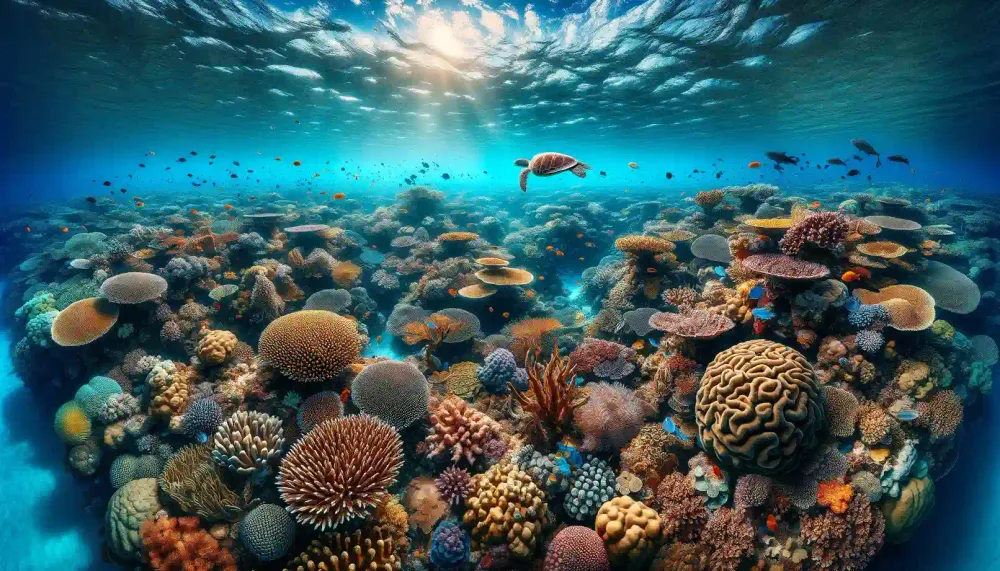
Fiji is widely referred to as the soft coral capital of the world, and after you’ve dived Rainbow Reef on the Somosomo Strait near Taveuni, you understand exactly why. The density and colour of the soft coral there — sea fans, gorgonians, and tree corals in purples, oranges, and reds — is unlike anything most divers have seen outside of a documentary. Visibility is routinely 30 metres or better, and the current draws in a remarkable parade of reef life.
But Fiji’s underwater offering extends well beyond one famous site. At Beqa Lagoon near Pacific Harbour, the shark dives are genuinely world-class — bull sharks, tigers, and up to eight other species in the same dive, with a safety protocol that has been refined over decades and is considered the global benchmark for shark feeding operations. For macro enthusiasts, the muck diving around Savusavu and the reefs off Kadavu are consistently extraordinary. Beginners can snorkel in waist-deep water at virtually any island resort and encounter more marine life than they’ll find at most dedicated dive destinations elsewhere.
The variety is the key word. Whether you’re a first-time snorkeller borrowing fins from a resort shed, a recreational diver wanting wall dives and healthy hard coral, or a serious underwater photographer hunting nudibranch and pygmy seahorses, Fiji has a site calibrated precisely for you. The dive industry here is mature, safety-conscious, and extremely well priced compared to the Caribbean or French Polynesia.
3. An Island for Every Type of Traveller
Fiji has 333 islands, which sounds like a statistic until you start understanding what that actually means in practice. You could bring a group of four — one who wants luxury, one on a tight budget, one who wants adventure, one who wants a spa — and find a legitimate option for each of them within the same destination.
At the luxury end, the private island resorts are among the best in the world. Turtle Island in the northern Yasawas takes just 14 couples at a time and has been a benchmark of Fijian luxury since the 1980 film The Blue Lagoon was filmed there. Likuliku Lagoon Resort on Malolo Island has Fiji’s original overwater bungalows and a reputation for flawless service. Kokomo Private Island in the remote southern Lau Group is one of the most complete island resort experiences in the entire Pacific — helipad, dive school, reef restoration programme, Michelin-standard food. These properties compete with anything the Maldives or French Polynesia can offer, and in most cases come in at lower price points.
At the other end of the spectrum, the backpacker trail through the Yasawa Islands is one of the great budget travel experiences in the South Pacific. Small locally owned resorts charging $60–$80 per person per night all-inclusive — meals, a bure on the beach, kayaks, snorkelling gear — are the backbone of the chain. The Coral Coast on Viti Levu’s southern shore offers mid-range family resorts with wide beaches and good facilities. Pacific Harbour, about 90 minutes from Nadi, is the adventure capital — the base for shark diving, white water rafting, and zip-lining. There’s no single Fiji; there are several, stacked on top of each other.
4. Short Flight from Australia and New Zealand
This is the most pragmatic point on the list and possibly the most compelling for Southern Hemisphere travellers. Fiji is roughly 3 hours from Brisbane, 3.5 hours from Sydney, and 4 hours from Melbourne. Auckland is about 3 hours. Those are direct flight times, no stopovers, no jet lag, no acclimatisation day needed on arrival.
The practical implications are significant. You can leave Brisbane on a Friday afternoon and be at a Mamanuca island resort for sunset. You can take a one-week holiday to Fiji and not lose a day at each end to travel exhaustion. Families with young children who find long-haul flights genuinely difficult get access to an extraordinary tropical destination that’s shorter than a flight to Japan. For most of Australia and New Zealand, Fiji is the closest world-class tropical destination by a significant margin.
Fiji Airways — the national carrier — operates direct flights from Sydney, Melbourne, Brisbane, Auckland, and Christchurch, with competitive fares that go lower if you book well in advance. Budget carrier options including Jetstar serve the trans-Tasman routes. There are also direct services from Los Angeles (around 10 hours), Hong Kong, Singapore, and Tokyo, making Fiji genuinely accessible for international visitors who aren’t travelling from the southern hemisphere.
5. Genuinely Thrilling Adventures
Pacific Harbour markets itself as the adventure capital of the South Pacific, and the claim is not unreasonable. The bull shark dives at Beqa Lagoon — run by operators like Aqua-Trek and Beqa Adventure Divers — are legitimately among the most adrenaline-charged dives available anywhere on earth. Sitting on the sand in 30 metres of water watching a dozen bull sharks circle you at arm’s length while a feeder controls the interaction with practiced, unhurried calm is an experience that occupies permanent mental real estate.
White water rafting the Upper Navua River is another standout. The river runs through a remote volcanic gorge accessible only by boat, past waterfalls and through Class IV rapids, with a Fijian guide who seems genuinely amused by the whole thing. The Sigatoka River Safari is more accessible — a jet boat up the Sigatoka River with a village visit at the end — and is excellent for those travelling with mixed-ability groups. Zip-lining operators in the Nadi highlands (including Zip Fiji) run courses through the rainforest canopy that are suitable from around age 8.
If you want something completely different, skydiving over Denarau with Skydive Fiji offers 60 seconds of freefall from 13,000 feet with views across the Mamanuca Islands below. ATV tours through the Sabeto Valley combine off-road riding with hot springs and mud pools. The point is that adventure in Fiji isn’t limited to water — you can fill a week with activities without repeating yourself, and most of them are run by experienced operators with strong safety records.
6. The Food
The food in Fiji is better than most visitors expect, and genuinely excellent once you know where to look. Start with kokoda — Fiji’s version of ceviche, raw fish (usually walu or mahi-mahi) marinated in lime juice and coconut cream with chilli and spring onion. Done properly, it’s one of the better things you’ll eat in the Pacific. Most resort restaurants do a decent version, but the best I’ve had was from a small café in Suva’s market area where the coconut cream came straight from a freshly cracked nut.
The lovo feast is the other signature experience — meat and root vegetables slow-cooked for hours in an underground earth oven lined with heated volcanic stones. The food absorbs a subtle smokiness and comes out falling apart tender. Many resorts run a lovo night weekly, and it’s worth timing your stay to catch one. Village lovo, experienced as a guest on a community visit, is even better.
The Indo-Fijian food culture deserves its own mention entirely. About 37% of Fiji’s population traces Indian heritage, and the culinary influence is everywhere — roadside roti stands selling curry wraps for a dollar, excellent vegetarian dhal, fresh samosas from local bakeries, and South Indian-influenced rice dishes that bear no resemblance to the generic “curry” served at beach resorts. In Nadi and Lautoka, the local lunch spots are cheap, extraordinary, and completely underrated. Fresh reef fish grilled simply with butter and lime is available almost everywhere for prices that feel implausible given the quality. Eating in Fiji is genuinely one of its underrated pleasures.
7. Incredible Cultural Experiences
Fiji’s cultural life is one of the things that separates it most clearly from comparable beach destinations. A village visit here isn’t a theme park experience — it’s a structured social interaction with real meaning on both sides. The sevusevu ceremony, where visitors present a bundle of dried kava root to the village chief and ask permission to enter the community, is a genuine protocol still practiced seriously. Getting it right — presenting the kava with both hands, speaking quietly, sitting cross-legged — matters to the community, and they’ll tell you kindly if you’ve got something wrong.
The kava ceremony itself, once sevusevu is complete, is an experience worth approaching with an open mind. Kava (yaqona in Fijian) is a mildly sedative drink made from the ground root of the pepper plant. It tastes like earthy, slightly numbing dishwater. You drink it from a halved coconut shell in one go, clapping once before receiving and three times after. The effect is mild — a pleasant, calm sociability that makes conversation easier and self-consciousness somewhat optional. Sitting in a circle with village elders while the kava bowl is passed around is one of the more genuinely cross-cultural experiences available to a tourist anywhere.
The meke — traditional song and dance performance — and the firewalking ceremony of the Sawau people of Beqa Island round out the cultural programme. Fijian firewalking is not stagecraft; the Sawau have practiced walking barefoot on heated volcanic stones for generations, and the tradition is linked to a specific ancestral story about a spirit who granted the gift to a young man from the tribe. Watching it performed in context rather than as a hotel dinner show makes all the difference.
8. Visa-Free and Easy to Enter
For citizens of Australia, New Zealand, the United Kingdom, the United States, Canada, the European Union, and most other Western nations, entry to Fiji requires no advance visa. You arrive, present your passport and a return ticket, and you’re issued a visitor permit on the spot valid for up to four months. There are no vaccination requirements. No pre-registration. No bureaucratic complexity to navigate before you travel.
This matters more than it might seem on paper. Many of Fiji’s regional competitors involve meaningful admin before departure — e-visas, health declarations, specific vaccination records, insurance requirements. Fiji has none of that. You book flights, pack your bags, go. The entry process at Nadi International Airport is quick by any international standard, and the immigration staff are characteristically pleasant about the whole thing.
Currency is equally straightforward. The Fijian Dollar (FJD) is freely available from ATMs at the airport and throughout the major centres. Exchange rates at airport ATMs are reasonable. Cards are accepted at resorts and most restaurants. Cash is useful for markets, local buses, and village purchases. You don’t need to do anything special before you leave — just arrive.
9. Value for Money (When You Know How)
Let’s address the common misconception first: Fiji is not inherently expensive. The private island resorts are expensive, yes — though even they tend to come in cheaper than equivalent Maldives properties. But Fiji also has a robust mid-range and budget accommodation ecosystem that is largely invisible in travel media, which tends to focus on the photogenic high end.
In the Yasawa Islands, the locally operated backpacker resorts — Wayalailai Eco Haven, Oarsman’s Bay Lodge, Blue Lagoon Beach Resort — charge $70–$100 per person per night including all meals and use of kayaks and snorkelling gear. These are beachfront operations with clear water, coral reefs, and the full Fijian experience at a fraction of what people associate with the destination. The Yasawa Flyer — the public ferry that connects the islands — costs around FJD $150 for a one-way trip to the far northern islands, and it’s an experience in itself.
From Denarau, day cruises to private islands like South Sea Island or Tivua Island cost around AUD $120–$180 including lunch, snorkelling, and resort facilities for the day. You access a genuinely beautiful private island environment for roughly the cost of a Sydney restaurant dinner. The public bus system along the Queen’s Highway on Viti Levu costs cents per journey and works perfectly well for independent travellers exploring the Coral Coast. Fiji rewards the traveller who invests a small amount of time in understanding how it actually works — the value is there, it just isn’t always the loudest voice in the room.
10. It Gets Under Your Skin — People Go Back
This is the hardest one to explain, and also the most reliable predictor of a great Fiji trip. Fiji consistently ranks among the world’s highest repeat-visit destinations. The Fiji Tourism research backs this up, but you’ll hear it anecdotally from virtually everyone who’s been — the second trip was being planned before the first one was over.
Part of it is the relationships. There’s something about the quality of interaction with Fijians — genuine, unhurried, curious about you as a person — that creates a sense of connection that doesn’t quite happen in the same way elsewhere. Resort staff remember guests. Village families send messages through mutual contacts. People make actual friendships here in the way that used to be more common in travel before tourism became entirely frictionless and app-managed.
Part of it is the sense that there’s always more to see. The Lau Group in the east — the most remote island chain, accessible only by live-aboard or small charter flight — is genuinely unexplored territory for most visitors. Kadavu’s diving is extraordinary and almost entirely uncommercialized. Rotuma, the tiny island at the far north, is barely on the map. Savusavu on Vanua Levu has a small, warm expat community, excellent sailing, and an underrated food scene. People who’ve visited five times will tell you they’ve barely scratched the surface. That sense of depth — the knowledge that there’s always another island, another reef, another village — is rare in tropical destinations of this size, and it’s genuinely compelling.
Final Thoughts
Fiji is one of those destinations that’s been so successfully sold as a “paradise” that it’s easy to assume you know what it is before you go. A warm sea, white sand, maybe an overwater bungalow. The reality is simultaneously more straightforward and more complex than that. Yes, the beaches are beautiful. Yes, the water is warm. But the thing that distinguishes Fiji — the thing that makes people plan their second trip on the plane home — is a combination of human warmth, cultural depth, extraordinary natural variety, and ease of access that very few destinations in the world can match simultaneously.
Whether you go for a week on a private island in the Mamanucas or three months island-hopping through the Yasawas on a budget, the experience is likely to be more than you expected. That’s not marketing. It’s just what most people find when they get there.
Frequently Asked Questions
When is the best time to visit Fiji?
The dry season runs from May to October and is generally considered the best time to visit — cooler temperatures, lower humidity, and less chance of heavy rain. The wet season (November to April) brings warmer weather and occasional cyclone risk, but also lower prices and fewer crowds. July and August are the most popular months, particularly for Australian and New Zealand school holidays, so book early if travelling during this period.
Do I need a visa to visit Fiji?
Most nationalities — including Australians, New Zealanders, British, Americans, Canadians, and EU citizens — do not need a visa for Fiji. You’ll receive a visitor permit on arrival valid for up to four months. You’ll need a valid passport, a return or onward ticket, and proof of sufficient funds. Check with the Fiji Immigration Department for the current list of visa-exempt nationalities if you’re unsure.
Is Fiji safe for tourists?
Yes, Fiji is considered a safe destination for tourists. The main resort areas — Denarau, the Coral Coast, the Mamanuca and Yasawa islands — are well supervised and have a long track record with international visitors. Normal travel precautions apply: don’t leave valuables unattended on beaches, be aware of your surroundings in Suva city at night, and take standard care in markets and crowded areas. Petty theft occurs, as in any tourist destination, but violent crime against tourists is rare.
How many days do you need in Fiji?
A minimum of 7 days allows you to settle into one area properly — a week in the Yasawas, or the Coral Coast, or a Mamanuca island resort, is a satisfying trip. Ten to fourteen days allows you to combine two areas — a few nights in Nadi with day trips, followed by a week on an island, for example. If you have three weeks or more, you can start exploring Vanua Levu, Savusavu, or taking a multi-night cruise. A long weekend is technically possible from Brisbane or Sydney, but you’ll spend a lot of it feeling like you didn’t stay long enough.
What currency does Fiji use?
Fiji uses the Fijian Dollar (FJD). As of 2026, the exchange rate is roughly FJD 1.40–1.50 to the Australian Dollar and FJD 2.20–2.30 to the US Dollar (rates vary, always check current figures). ATMs are widely available in Nadi, Suva, and major centres. Most resorts, restaurants, and tour operators accept Visa and Mastercard. Cash is useful for local buses, markets, and purchases in villages and smaller towns.
What language is spoken in Fiji?
Fiji has three official languages: English, Fijian (iTaukei), and Hindi. English is spoken virtually everywhere and is the language of government, business, and tourism. You won’t need any local language to get around, though learning a few Fijian phrases — bula (hello), vinaka (thank you), moce (goodbye) — will earn you genuine appreciation and big smiles everywhere you go.
What is the best island in Fiji to visit?
This entirely depends on what you want. For luxury and easy access from Nadi, the Mamanuca Islands — Malolo, Matamanoa, Tokoriki — are hard to beat. For backpacker travel, natural beauty, and a quieter experience, the Yasawa chain stretching north from the Mamanucas is exceptional. For diving, Taveuni (Rainbow Reef) and the reefs off Kadavu are world-class. For a complete all-round resort holiday on the main island, the Coral Coast offers a long stretch of family-friendly properties. There’s no single best island — only the best island for your particular priorities.
Is Fiji good for a honeymoon?
Fiji is one of the world’s premier honeymoon destinations, and for good reason. Private island resorts like Turtle Island, Likuliku Lagoon, and Kokomo offer genuine seclusion, exceptional service, and remarkable natural surroundings. Compared to equivalent honeymoon destinations like the Maldives, Fiji typically offers better value and more variety in terms of activities and experiences. Many resorts have dedicated honeymoon packages that include overwater or beachfront bures, sunset sailing, couples’ spa treatments, and private dinners on the beach.
By: Sarika Nand